Medium Activity level Cat Breeds
Discover our comprehensive directory of cat breeds with medium activity level.
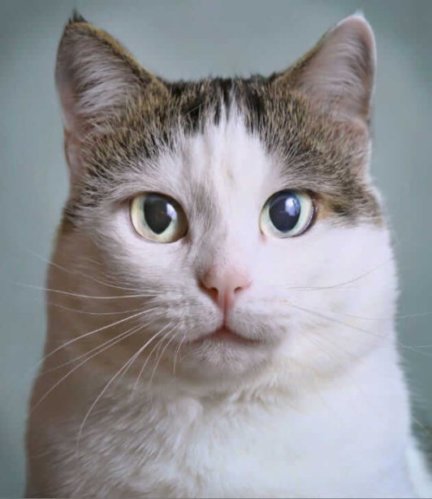
Domestic Shorthair
The most common cat in the world. No pedigree, no breed standard, just a cat shaped by natural selection over thousands of years. They come in nearly every coat colour and pattern. Their health tends to be good and their personalities vary as much as their looks.
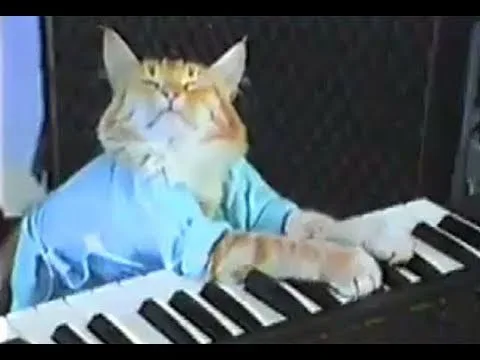
Orange Tabby
Not a breed, just a coat pattern. About 80% of orange tabbies are male due to how the colour gene is inherited. They have a reputation for being food-motivated and sociable, which is probably why Garfield exists.
Russian Blue
Silver-blue coat, green eyes, quiet nature. They attach closely to their primary person and tend to be reserved around strangers. One of the calmer breeds.

American Shorthair
Descended from cats that came over with early European settlers. A working breed that became a family cat. Robust, low-maintenance, and even-tempered.
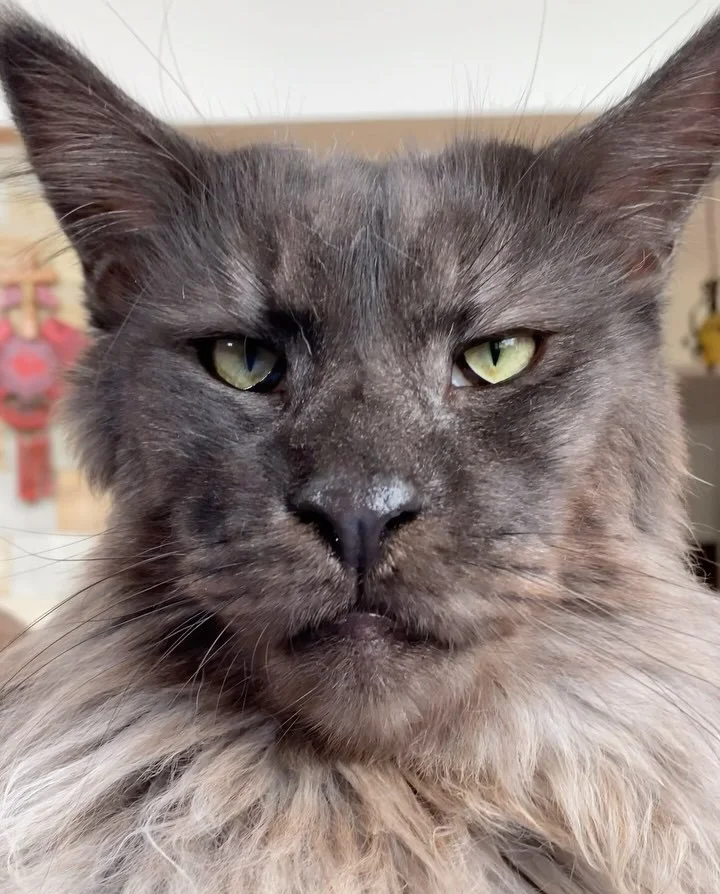
Maine Coon
One of the largest domestic cat breeds. Heavy coat, tufted ears, bushy tail. They get along well with other animals, are unhurried in temperament, and tend to chirp rather than meow.
Chartreux
A French breed with a blue-grey coat and copper eyes. Their mouth structure creates what looks like a permanent smile. They are quiet, often chirping instead of meowing, and even in temperament.
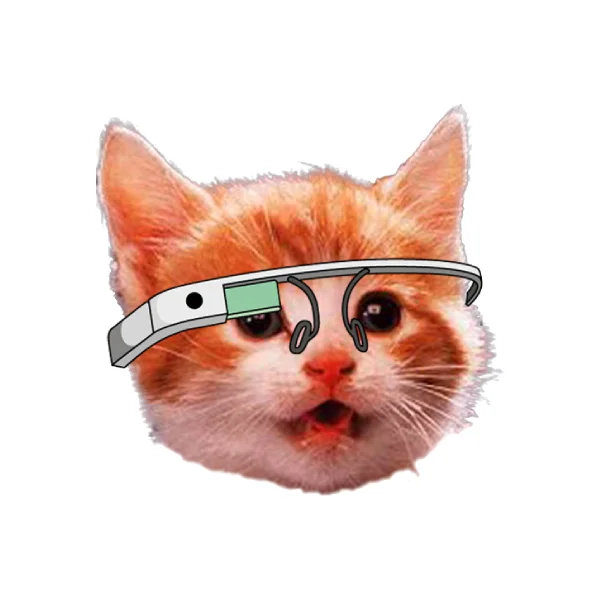
American Bobtail
Known for its short, stubby tail, which comes from a natural mutation. Athletic build. They are adaptable and travel well, which is unusual for cats.
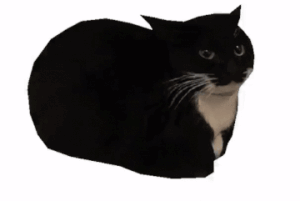
Bicolor
A two-colour coat pattern, not a breed. Usually one colour paired with white. Tuxedo cats are the most well-known bicolors.
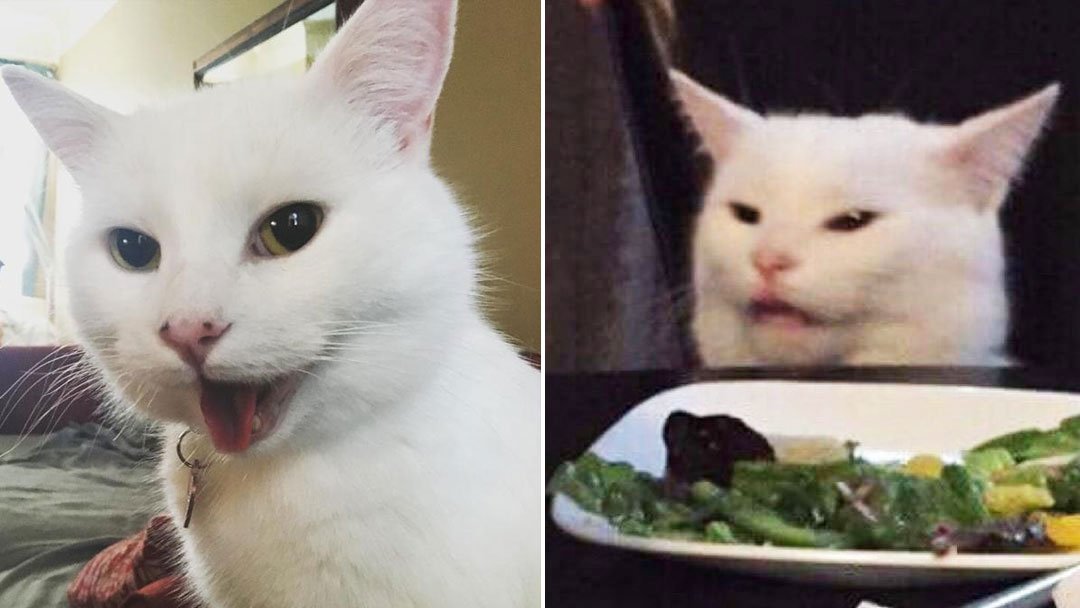
Domestic Longhair
Any non-pedigree cat with a long coat. Not a breed. Personalities and appearances vary widely. The coat requires regular brushing.
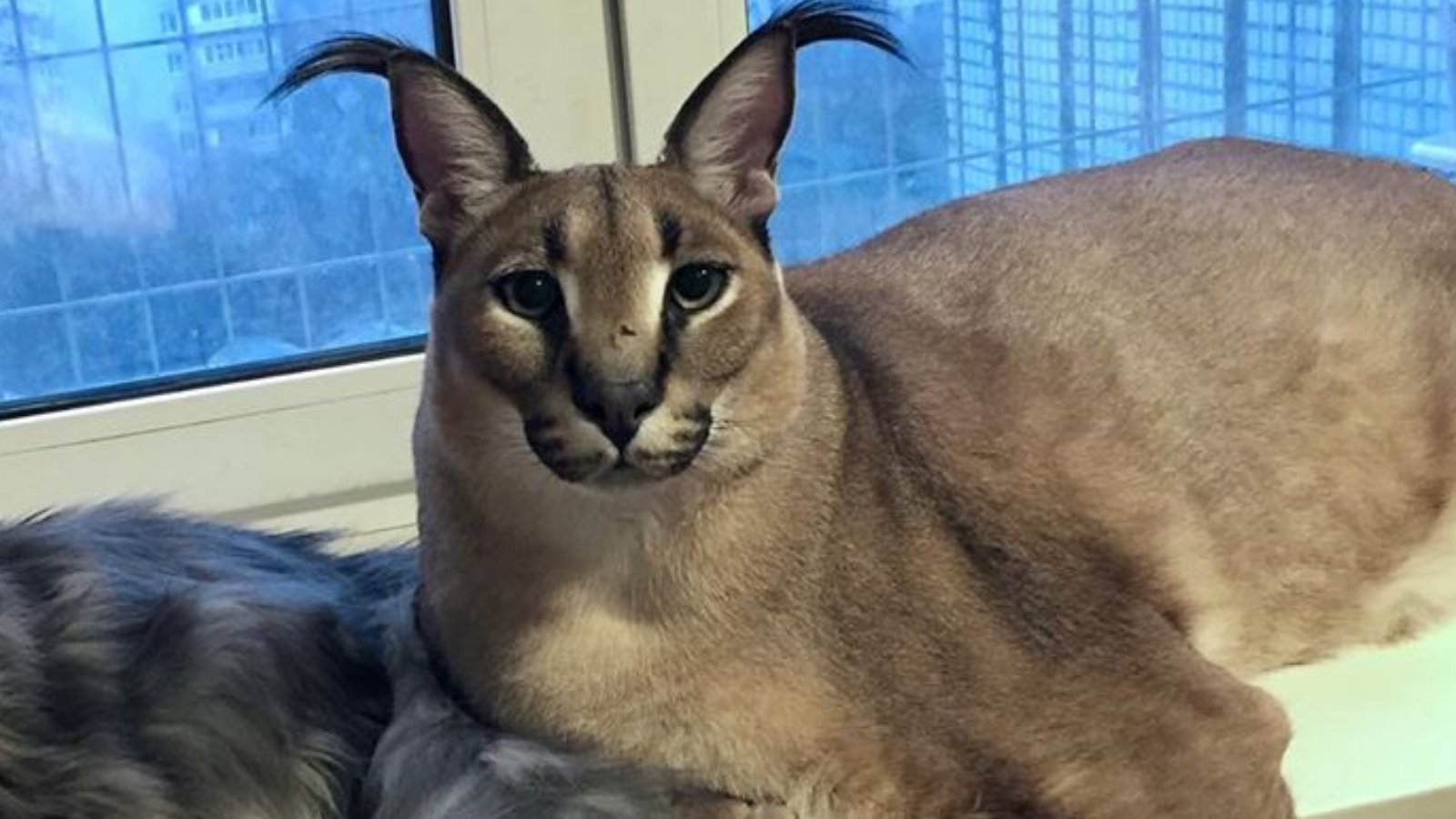
Domestic Shorthair Tabby
A non-pedigree shorthaired cat with tabby markings. The pattern includes stripes, spots, or swirls. One of the most common cats in the world.
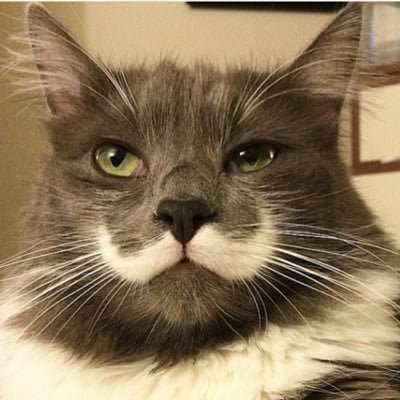
Domestic Shorthair Tuxedo
A black-and-white domestic shorthair. The pattern is called tuxedo for obvious reasons. They share no bloodline beyond the coat colour.
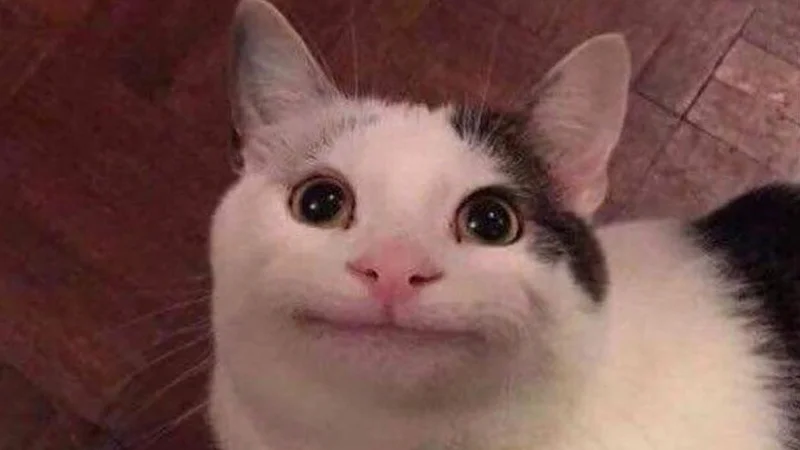
Domestic Shorthair White
A fully white domestic shorthair. White cats with blue eyes often have a hearing impairment due to how the white gene affects inner ear development.
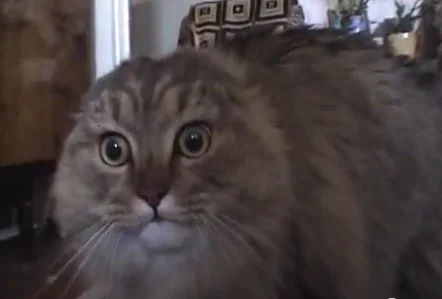
Domestic Siberian
A non-pedigree cat from Russia with Siberian ancestry. Semi-long coat, robust build. They tend to be friendly and bond closely with their families.
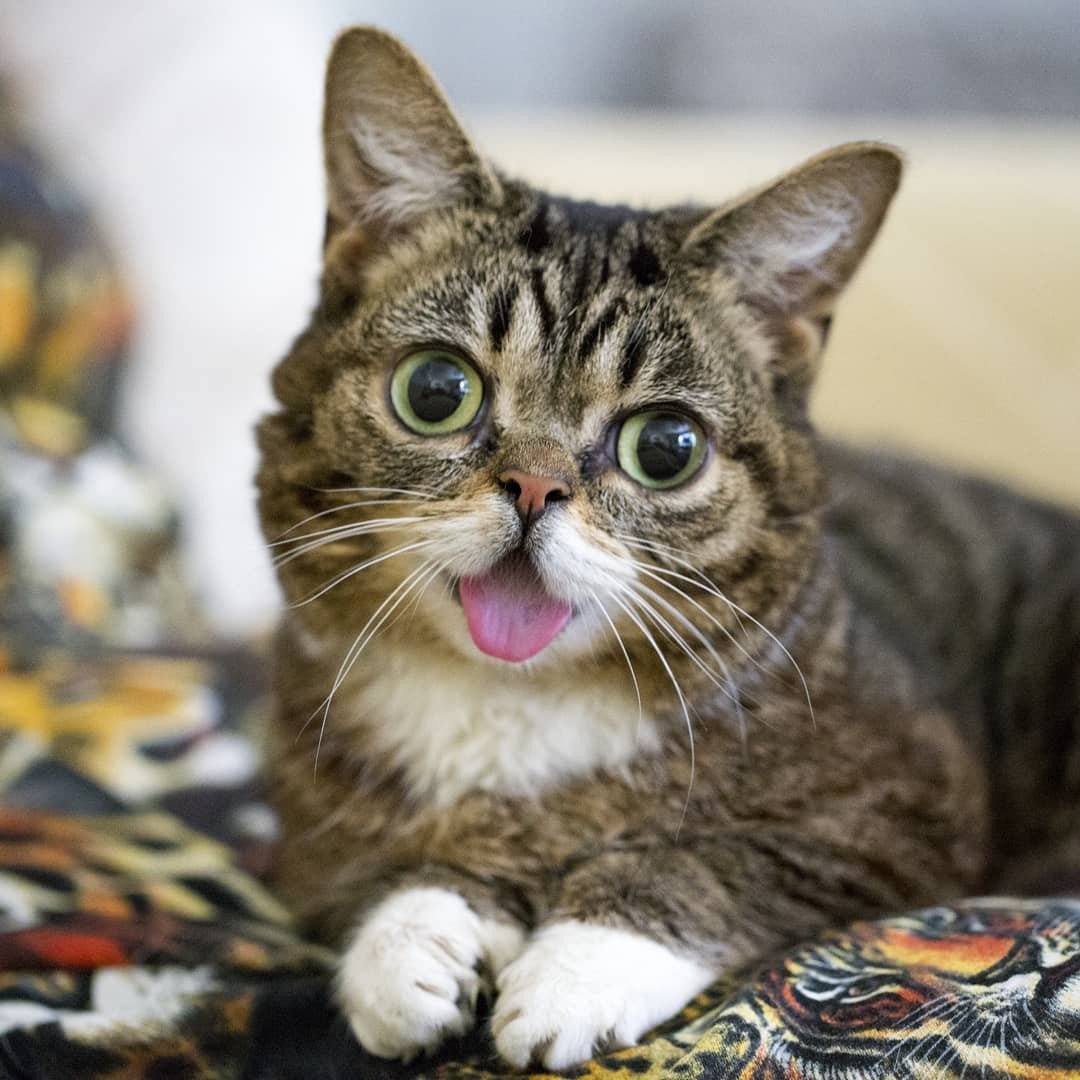
Dwarf
Cats with achondroplastic dwarfism, meaning short legs on a normal-sized body. The Munchkin is the most well-known example. Active and social despite the unusual proportions.
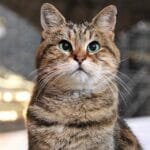
European Shorthair
The common cat of mainland Europe. A natural breed with minimal selective breeding. Hardy, independent, and usually a capable hunter.
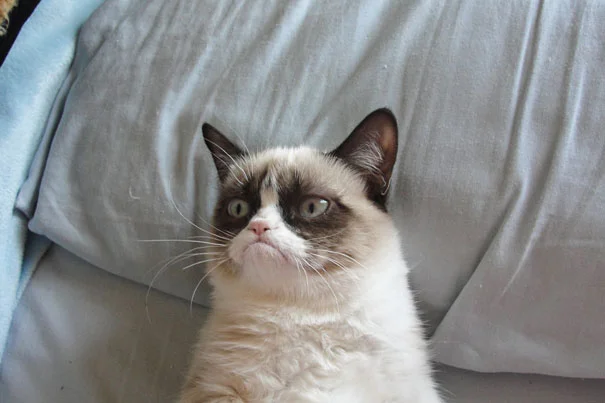
Mixed
No single breed. A cat of varied or unknown heritage. Most cats in the world are mixed. Their health tends to be good due to genetic diversity.
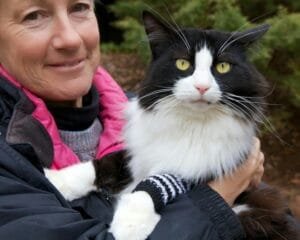
Piebald
A coat pattern with large white patches alongside another colour. Seen in many breeds. The white areas result from a gene that stops pigment cells from reaching parts of the coat.
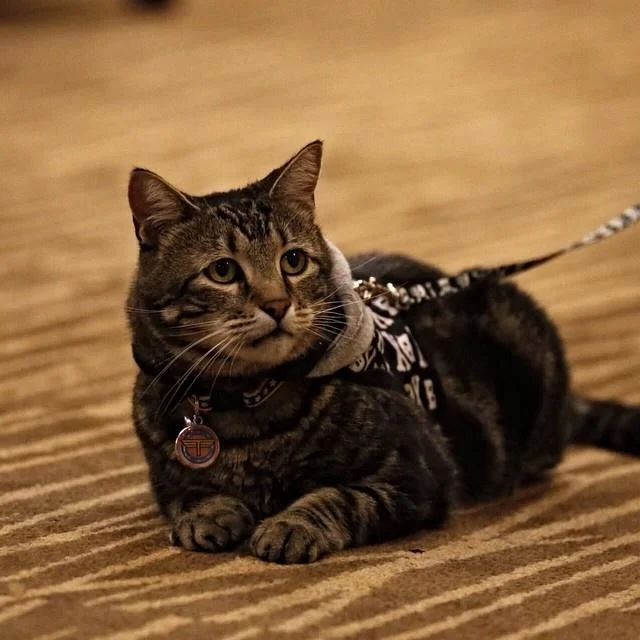
Tabby Cat
A coat pattern, not a breed. Stripes, swirls, or spots, usually with an M-shaped mark on the forehead. Appears in dozens of breeds and most non-pedigree cats worldwide.

Selkirk Rex
A large, heavily boned cat with a curly coat. They look permanently disheveled. Their whiskers are curly too. Patient and tolerant of handling.
Manx
Naturally tailless, from the Isle of Man. Some have a small stub, others have nothing. They follow their owners around and can be taught to fetch.
LaPerm
Curly coat from a natural mutation first seen on a farm in Oregon in 1982. The curls range from waves to ringlets. Quiet and affectionate.
American Curl
The ears curl backward in an arc. The mutation appeared naturally in California in 1981. Playful and people-oriented, they keep their kitten-like energy for years.
Korat
An ancient Thai breed with a silver-blue single-layer coat and green eyes. Considered good luck in Thailand. Calm, quiet, and loyal to their people.
Havana Brown
Uniformly chocolate brown, including the whiskers. One of the rarest breeds. Developed in England in the 1950s from Siamese and black domestic cat crosses. Curious and sociable.