Browse by Origin
Discover cat breeds organized by origin.
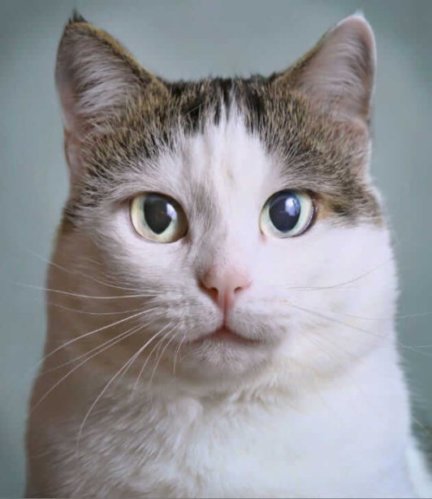
Domestic Shorthair
The most common cat in the world. No pedigree, no breed standard, just a cat shaped by natural selection over thousands of years. They come in nearly every coat colour and pattern. Their health tends to be good and their personalities vary as much as their looks.

Fictional
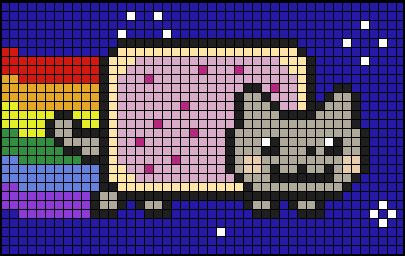
Cats that exist only in stories, animation, games, and internet lore. Garfield, Tom, Hello Kitty. They have shaped how people think about cats without any of them ever actually existing.
British Shorthair
A stocky, dense cat with a round face and a thick plush coat. Originally working cats brought to Britain by the Romans. Today they are calm, patient, and largely content to sit beside you rather than on you.
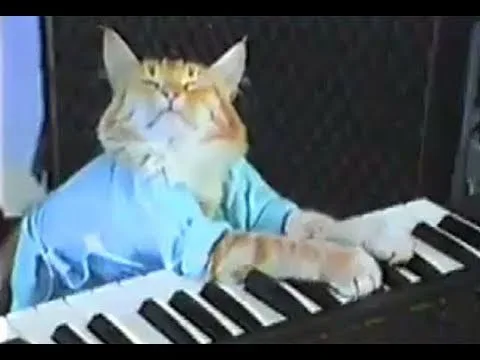
Orange Tabby
Not a breed, just a coat pattern. About 80% of orange tabbies are male due to how the colour gene is inherited. They have a reputation for being food-motivated and sociable, which is probably why Garfield exists.
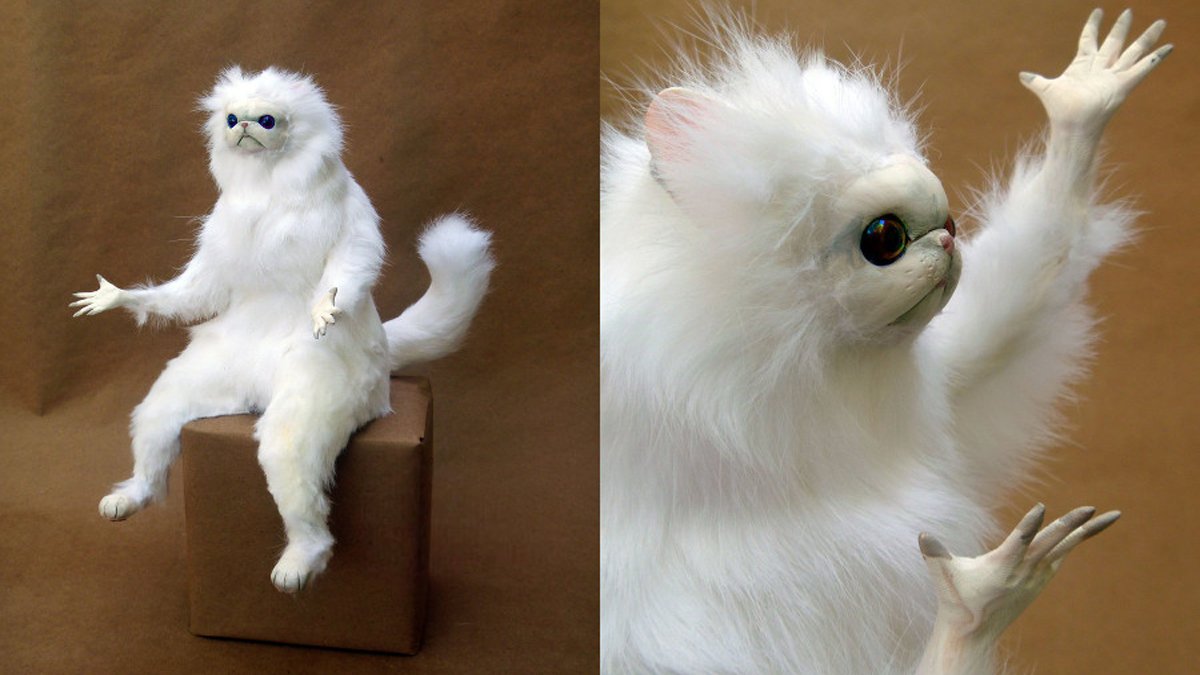
Persian
Long coat, flat face, quiet temperament. Persians need daily grooming and prefer calm households. They are not particularly active. What they are is consistent, undemanding company.
Exotic Shorthair
A Persian with a shorter coat. Same flat face, same temperament, considerably less grooming. They are affectionate and relaxed, content to be near their people without demanding constant attention.

Bombay
Bred in the 1950s to resemble a black panther. Jet-black coat, copper eyes. Despite the dramatic look, they are social and warmth-seeking cats that bond closely with their families.

Munchkin
Short legs from a natural mutation. Their legs do not stop them from running or playing. They move differently from other cats but are otherwise typical in personality: active, curious, and sociable.
Russian Blue
Silver-blue coat, green eyes, quiet nature. They attach closely to their primary person and tend to be reserved around strangers. One of the calmer breeds.

American Shorthair
Descended from cats that came over with early European settlers. A working breed that became a family cat. Robust, low-maintenance, and even-tempered.
Sphynx
No fur. Their skin feels warm to the touch, often described as suede. They are social to an unusual degree, following people around the house and actively seeking body heat.
Maine Coon
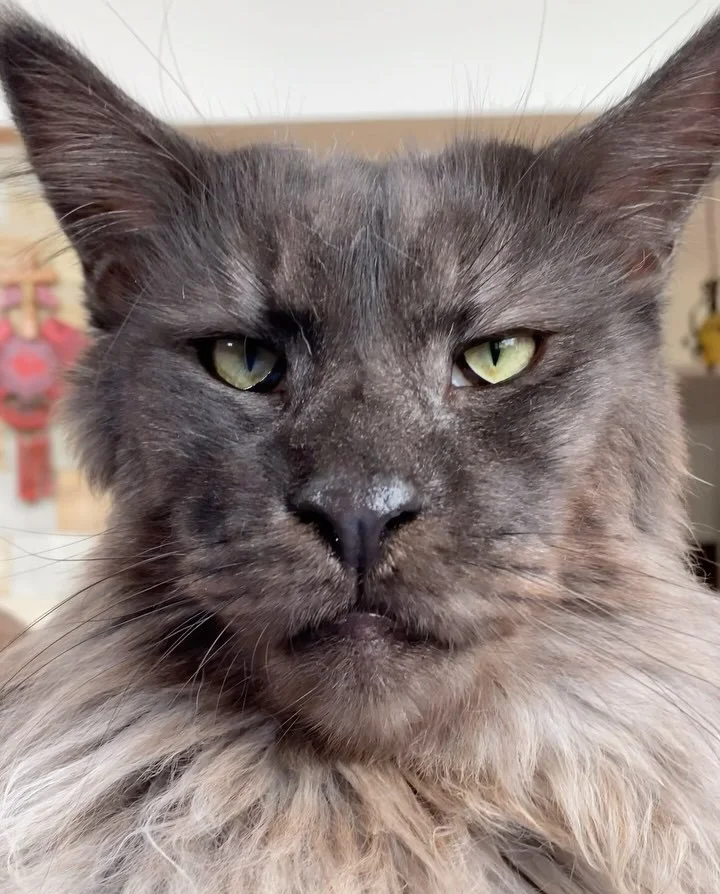
One of the largest domestic cat breeds. Heavy coat, tufted ears, bushy tail. They get along well with other animals, are unhurried in temperament, and tend to chirp rather than meow.
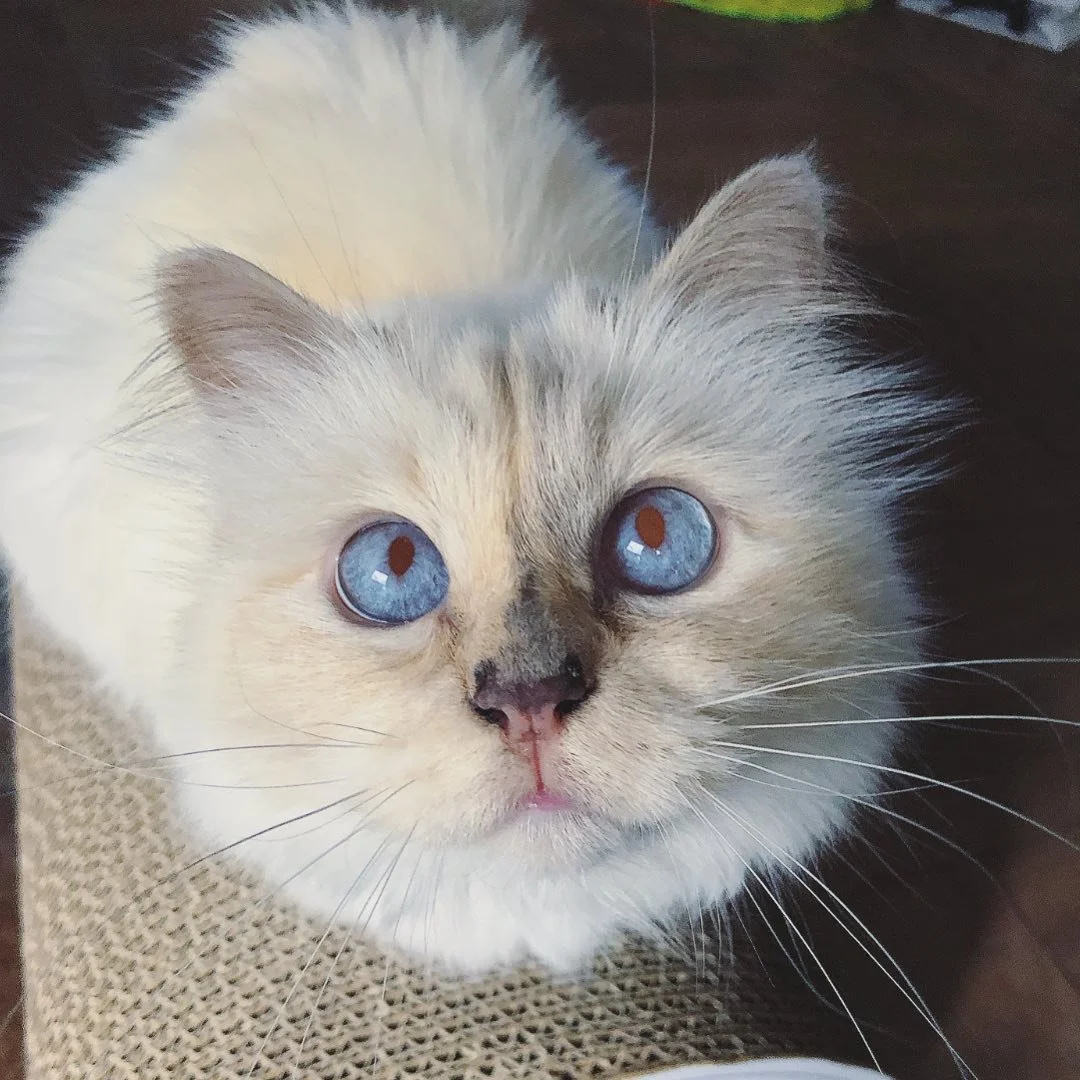
Birman
A colour-pointed cat with white gloves on all four paws. Medium-length coat, blue eyes. Quiet and gentle. They do not demand much but tend to be steady, reliable companions.
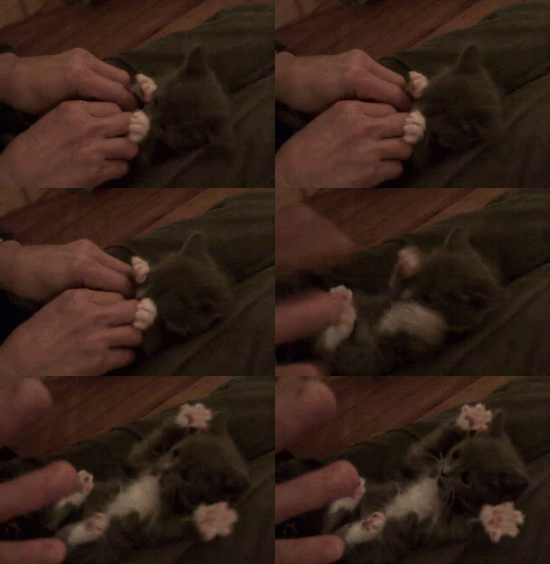
Ragdoll
Named because they tend to go limp when you pick them up. Large cats with blue eyes and a semi-long coat. They are calm, follow their owners from room to room, and rarely scratch.

Bengal
A cross between a domestic cat and an Asian leopard cat. Their coat has rosette spots that catch the light. They are athletic and need a lot of activity. Not a good choice for a quiet household.

Scottish Fold
Their ears fold forward because of a cartilage mutation. It gives them a distinctive, owl-like look. Sweet-tempered and adaptable, they get on well with most living situations.
Abyssinian
One of the oldest known breeds. Their ticked coat gives them a wild look but they are fully domestic. Busy, athletic, and curious. They rarely sit still.
Siamese
Colour-pointed coat, blue eyes, loud voice. They are vocal to a degree that surprises a lot of first-time owners. Siamese tend to have strong opinions and share them frequently.
Savannah
A cross between a domestic cat and an African Serval. Tall, spotted, and athletic. They can jump very high and are fond of water, which most cats are not.
Siberian
Russia's natural forest cat. Triple-layered coat built for cold winters. Large but agile. One of the breeds considered to produce fewer allergens, though not fully hypoallergenic.
Chartreux
A French breed with a blue-grey coat and copper eyes. Their mouth structure creates what looks like a permanent smile. They are quiet, often chirping instead of meowing, and even in temperament.
Norwegian Forest Cat
Built for Scandinavian winters. Dense, water-resistant coat, strong frame. They are calm and independent, happy to spend time outside if given the chance.
Devon Rex
Large ears, big eyes, a short wavy coat. They look unusual and behave accordingly. Active, mischievous, and closely bonded to people. They often perch on shoulders.
Cornish Rex
Very slender build, arched back, fine curly coat with no guard hairs. They are constantly active and feel cold easily, which keeps them close to people and warm spots.
Egyptian Mau
The only naturally spotted domestic cat breed. Fast runners, capable of reaching around 30 mph. Loyal to their families and wary of strangers.
Burmese
Dense for their size, often described as a lot of cat in a small package. They are social, vocal, and do not do well being left alone for long periods.
Ocicat
Looks like a small ocelot but has no wild DNA. The result of accidental Siamese and Abyssinian crosses. Trainable, sociable, and more dog-like than most cats.
Balinese
A Siamese with a longer coat. Same colour points, same blue eyes, same talkative nature. The coat is silky rather than fluffy, which means less shedding than you might expect.
Singapura
The smallest domestic cat breed. Ticked sepia coat, large ears. High energy for the size. They tend to stay curious and active well into adulthood.

Turkish Angora
An ancient Turkish breed. Long silky coat, athletic build. They are active, sociable, and tend to insert themselves into whatever is happening in the room.
American Bobtail
Known for its short, stubby tail, which comes from a natural mutation. Athletic build. They are adaptable and travel well, which is unusual for cats.
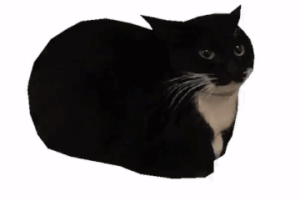
Bicolor
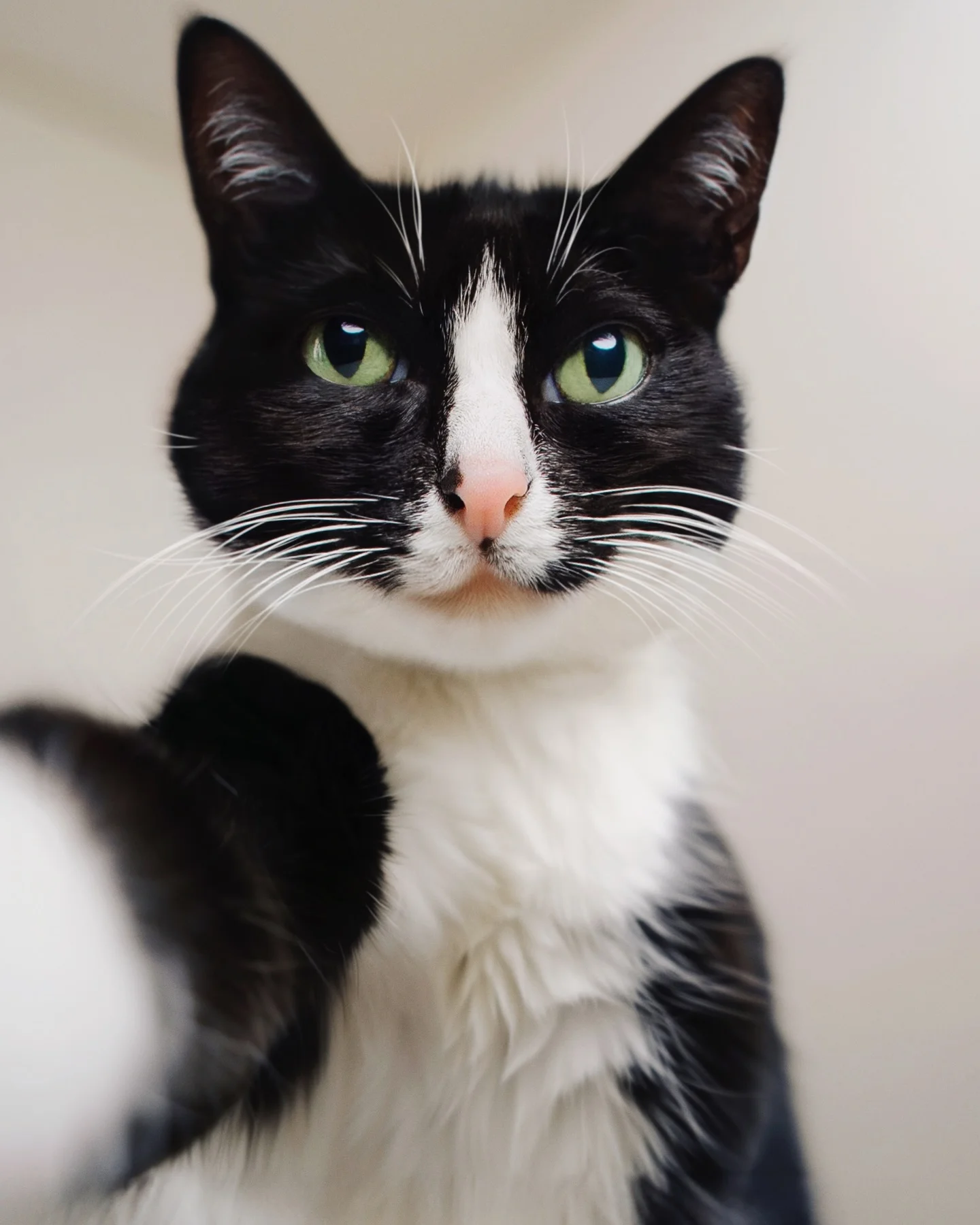
A two-colour coat pattern, not a breed. Usually one colour paired with white. Tuxedo cats are the most well-known bicolors.

British Longhair
The long-haired version of the British Shorthair. Same round face and calm temperament. The coat needs regular grooming to prevent matting.
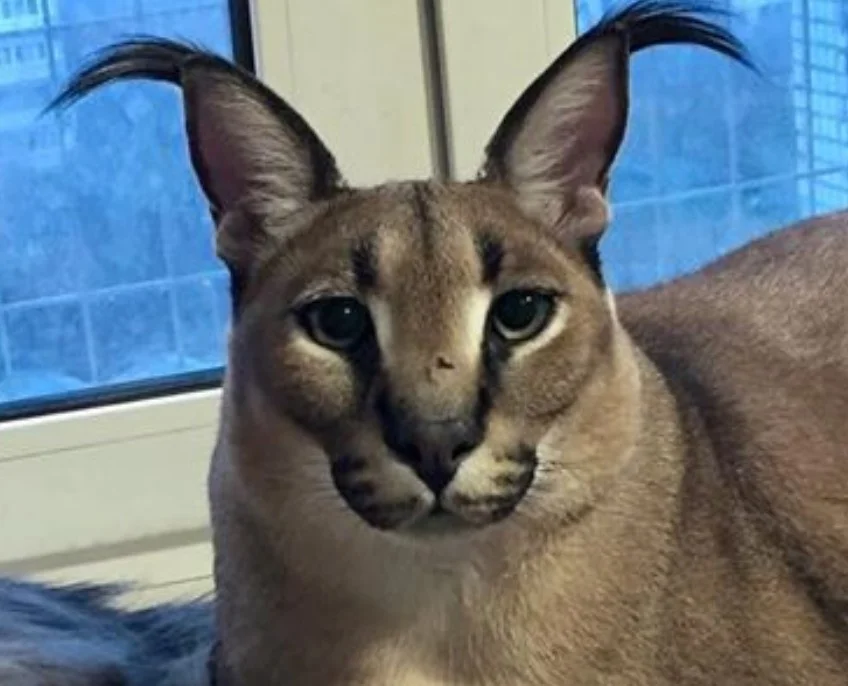
Caracal
A wild cat, not a domestic breed. Native to Africa, the Middle East, and parts of South Asia. Known for its long tufted ears. Occasionally kept as exotic pets, but they are wild animals.
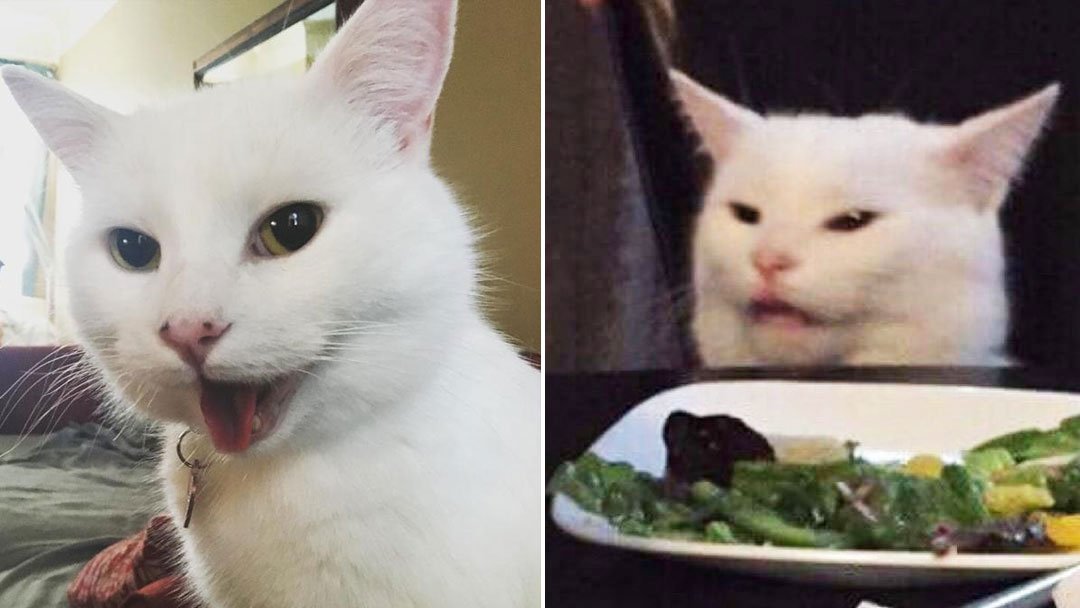
Domestic Longhair
Any non-pedigree cat with a long coat. Not a breed. Personalities and appearances vary widely. The coat requires regular brushing.
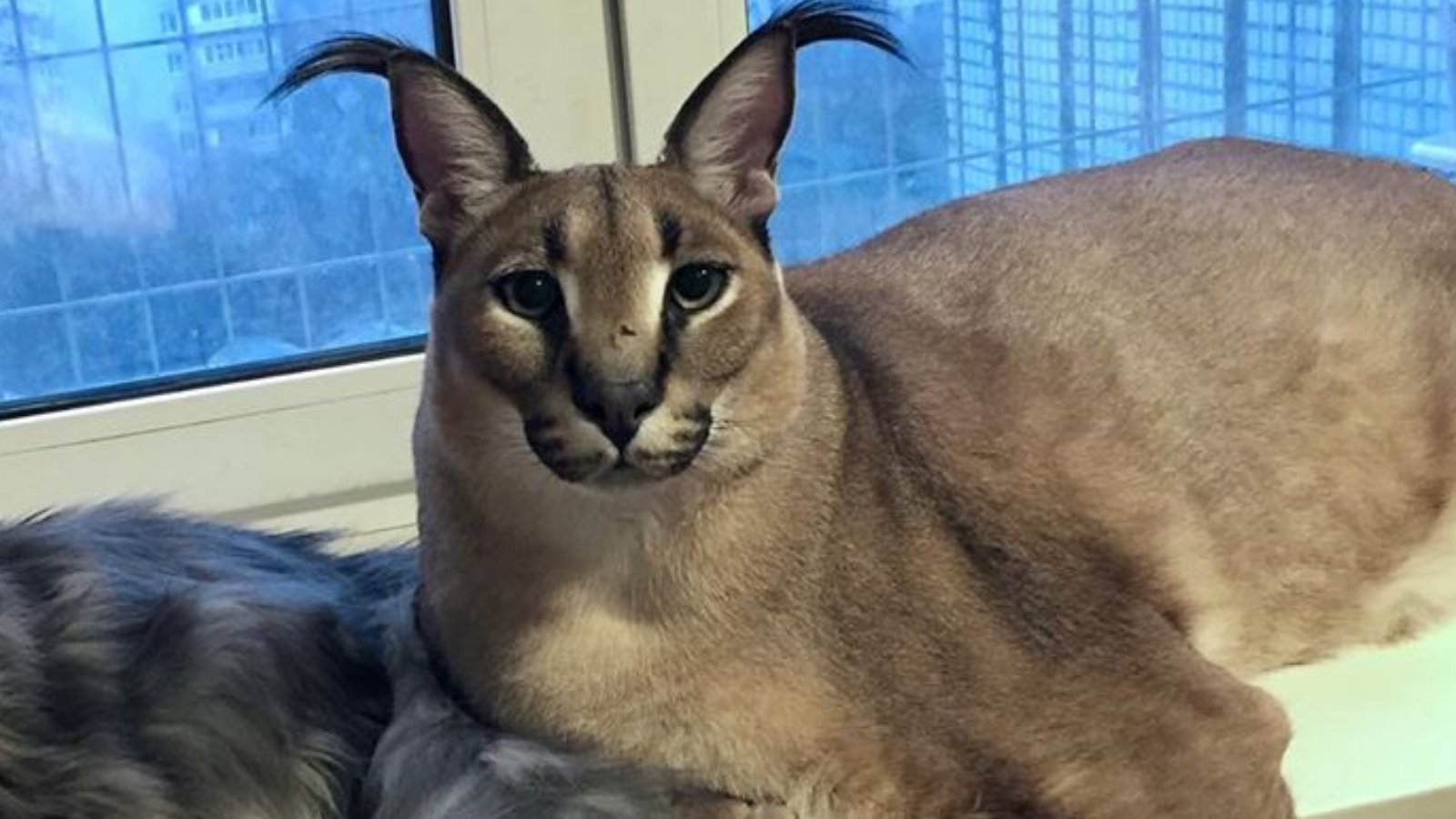
Domestic Shorthair Tabby
A non-pedigree shorthaired cat with tabby markings. The pattern includes stripes, spots, or swirls. One of the most common cats in the world.
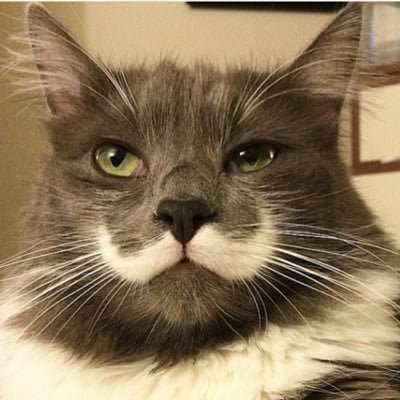
Domestic Shorthair Tuxedo
A black-and-white domestic shorthair. The pattern is called tuxedo for obvious reasons. They share no bloodline beyond the coat colour.
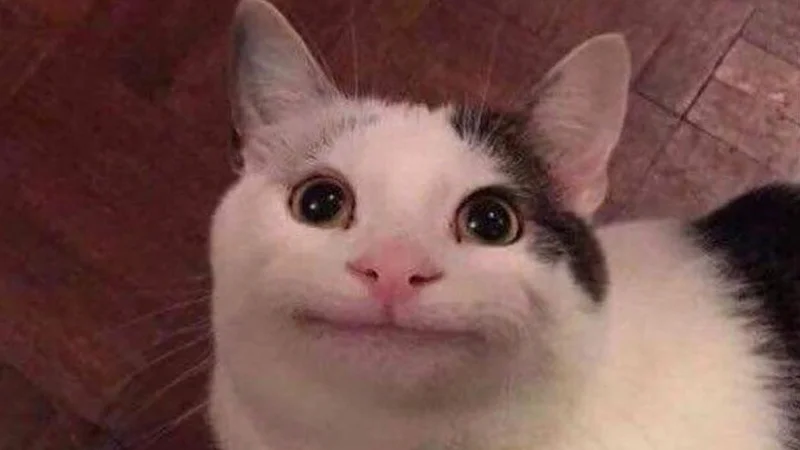
Domestic Shorthair White
A fully white domestic shorthair. White cats with blue eyes often have a hearing impairment due to how the white gene affects inner ear development.
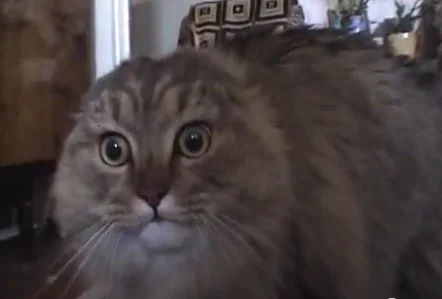
Domestic Siberian
A non-pedigree cat from Russia with Siberian ancestry. Semi-long coat, robust build. They tend to be friendly and bond closely with their families.
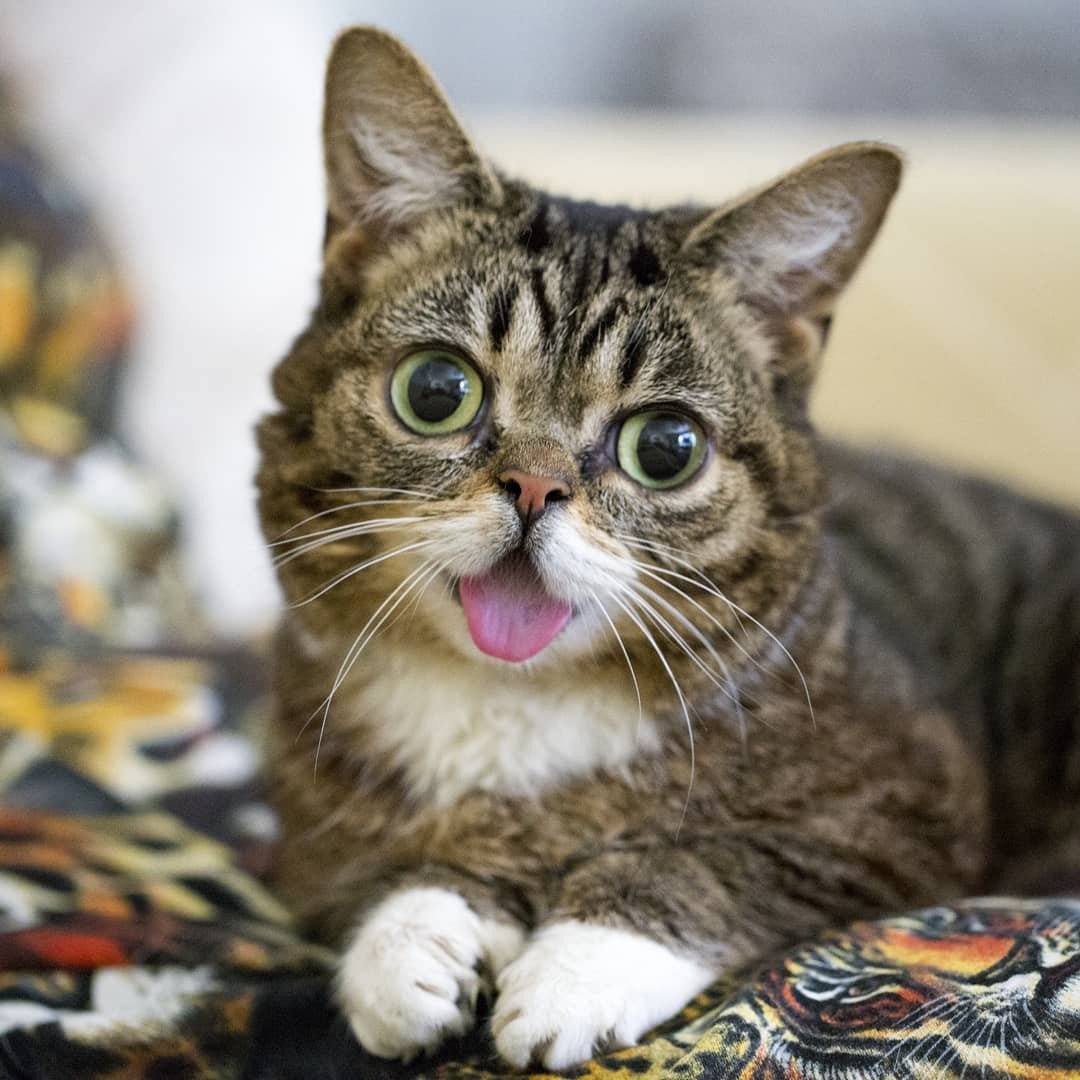
Dwarf
Cats with achondroplastic dwarfism, meaning short legs on a normal-sized body. The Munchkin is the most well-known example. Active and social despite the unusual proportions.
European Shorthair
The common cat of mainland Europe. A natural breed with minimal selective breeding. Hardy, independent, and usually a capable hunter.
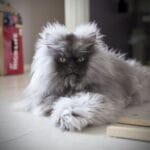
Himalayan Persian Mix
Persian looks with Siamese colour points. Long coat, flat face, blue eyes. Calm and quiet. Better suited to indoor living.

Japanese Bobtail
Their tail is short and often curled, looking more like a pom-pom. Considered good luck in Japan and the basis for the Maneki-neko figurine. Vocal and people-oriented.
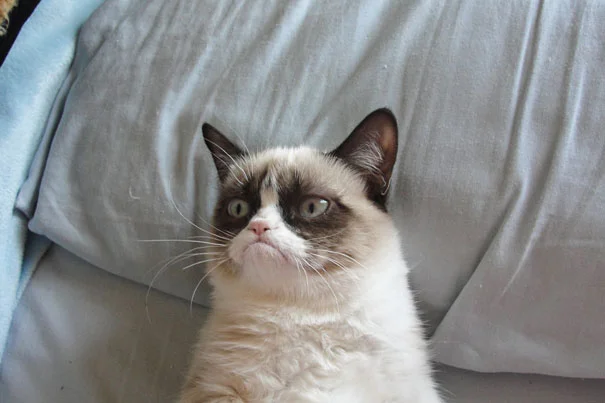
Mixed
No single breed. A cat of varied or unknown heritage. Most cats in the world are mixed. Their health tends to be good due to genetic diversity.
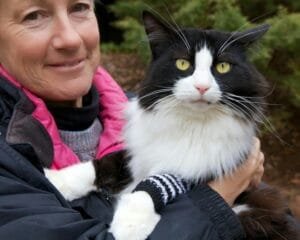
Piebald
A coat pattern with large white patches alongside another colour. Seen in many breeds. The white areas result from a gene that stops pigment cells from reaching parts of the coat.
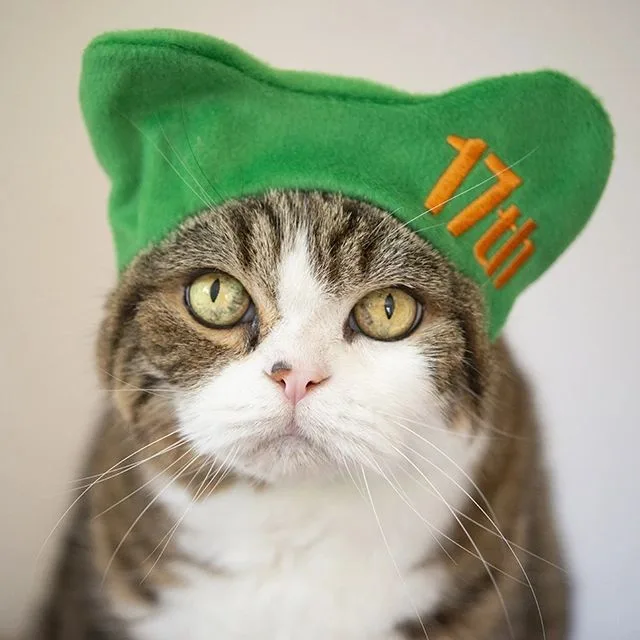
Scottish Straight
The straight-eared version of the Scottish Fold. Same round face and body type. Breeding two Folds together causes skeletal problems, so Straights are essential to maintaining the breed.
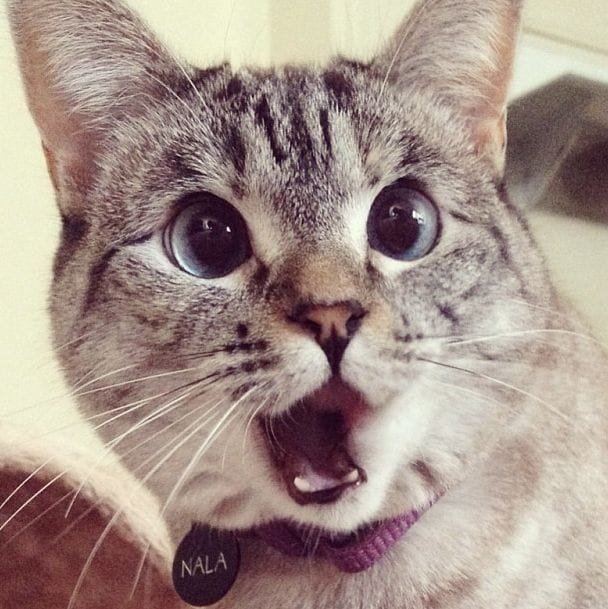
Siamese Tabby Mix
A Siamese with tabby striping in the colour points, sometimes called Lynx Point. They tend to be sociable and vocal like the Siamese, with slightly softer point markings.
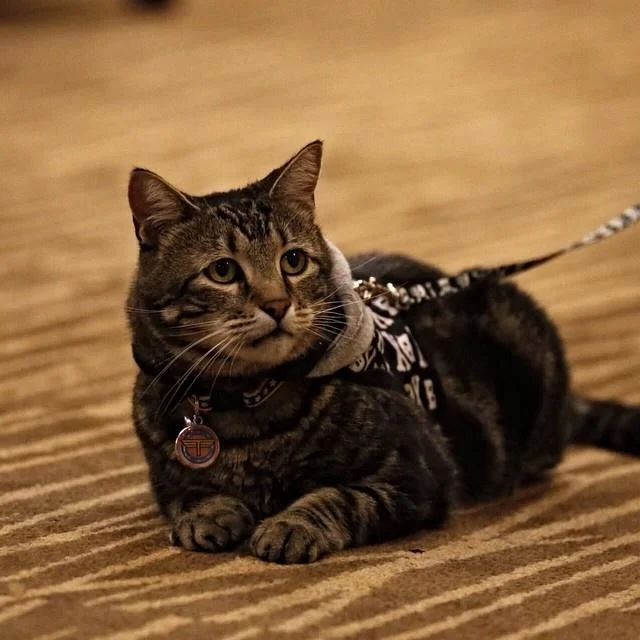
Tabby Cat
A coat pattern, not a breed. Stripes, swirls, or spots, usually with an M-shaped mark on the forehead. Appears in dozens of breeds and most non-pedigree cats worldwide.
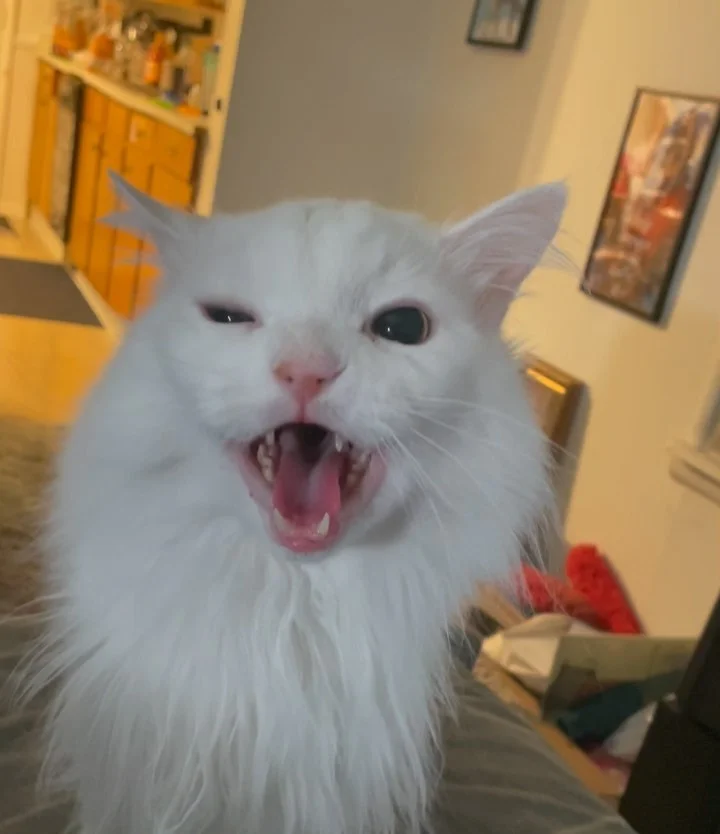
Turkish Van
From the Lake Van region of Turkey. An unusual fondness for water sets them apart from most cats. White coat with colour only on the head and tail.
Himalayan
A colour-pointed Persian. Flat face, long coat, blue eyes from the Siamese side of its ancestry. Calm and quiet. Prefers a settled, low-activity home.

Selkirk Rex
A large, heavily boned cat with a curly coat. They look permanently disheveled. Their whiskers are curly too. Patient and tolerant of handling.
Manx
Naturally tailless, from the Isle of Man. Some have a small stub, others have nothing. They follow their owners around and can be taught to fetch.
Tonkinese
A cross between Siamese and Burmese. More moderate in both looks and personality than either parent. Sociable and vocal, but less intense than a Siamese.
Lykoi
Called the werewolf cat for its patchy, wiry coat and partially bald face. The look comes from a natural mutation. Affectionate and curious despite the haunted appearance.
Ragamuffin
Related to the Ragdoll. Large, plush, and relaxed. Their coats come in more colour variations than the Ragdoll's colour-point-only pattern.
Toyger
Bred to look like a small tiger. Mackerel tabby stripes in a branching pattern across an orange-gold coat. Energetic and trainable.
Somali
A long-haired Abyssinian. Same ticked coat, same athletic build, but with a bushy tail and full ruff. Active and rarely still.
LaPerm
Curly coat from a natural mutation first seen on a farm in Oregon in 1982. The curls range from waves to ringlets. Quiet and affectionate.
American Curl
The ears curl backward in an arc. The mutation appeared naturally in California in 1981. Playful and people-oriented, they keep their kitten-like energy for years.
Korat
An ancient Thai breed with a silver-blue single-layer coat and green eyes. Considered good luck in Thailand. Calm, quiet, and loyal to their people.
Snowshoe
Colour-pointed with white paws. The contrast is distinctive. Sociable and vocal, they tend to pick one person and stay close to them.
Chausie
A domestic and Jungle Cat hybrid. Large, leggy, and built for speed. They need space and activity. Not suited to small apartments.
Havana Brown
Uniformly chocolate brown, including the whiskers. One of the rarest breeds. Developed in England in the 1950s from Siamese and black domestic cat crosses. Curious and sociable.