Medium Shedding level Cat Breeds
Discover our comprehensive directory of cat breeds with medium shedding level.
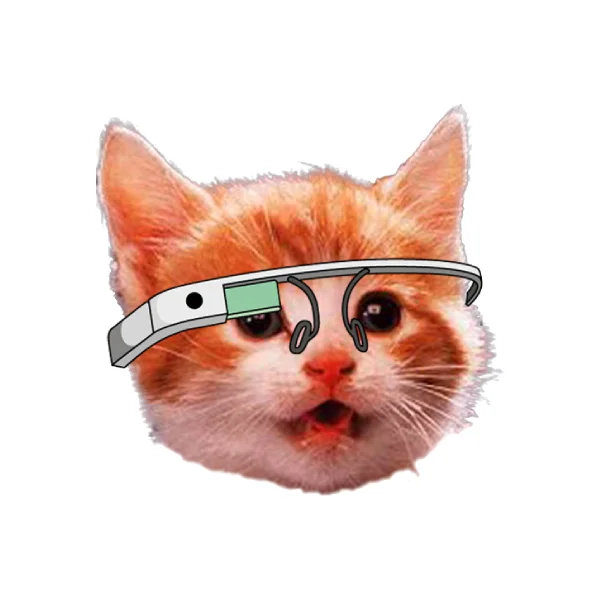
American Bobtail
Known for its short, stubby tail, which comes from a natural mutation. Athletic build. They are adaptable and travel well, which is unusual for cats.
American Curl
The ears curl backward in an arc. The mutation appeared naturally in California in 1981. Playful and people-oriented, they keep their kitten-like energy for years.
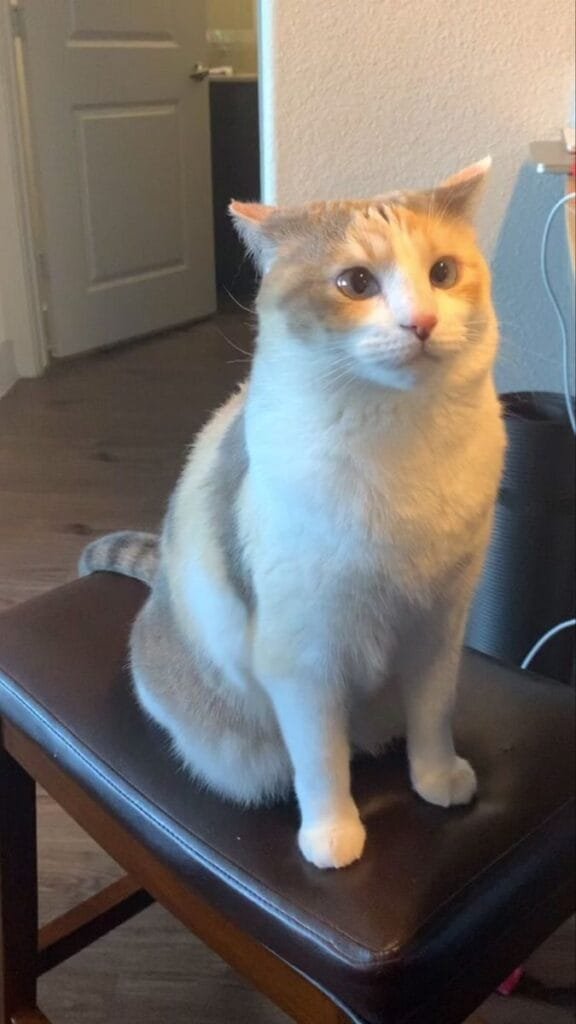
American Shorthair
Descended from cats that came over with early European settlers. A working breed that became a family cat. Robust, low-maintenance, and even-tempered.
Balinese
A Siamese with a longer coat. Same colour points, same blue eyes, same talkative nature. The coat is silky rather than fluffy, which means less shedding than you might expect.
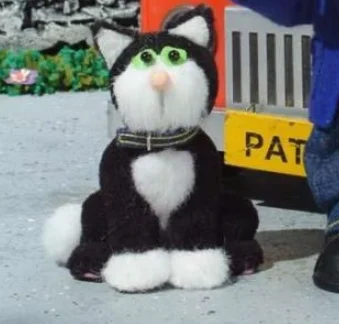
Bicolor
A two-colour coat pattern, not a breed. Usually one colour paired with white. Tuxedo cats are the most well-known bicolors.
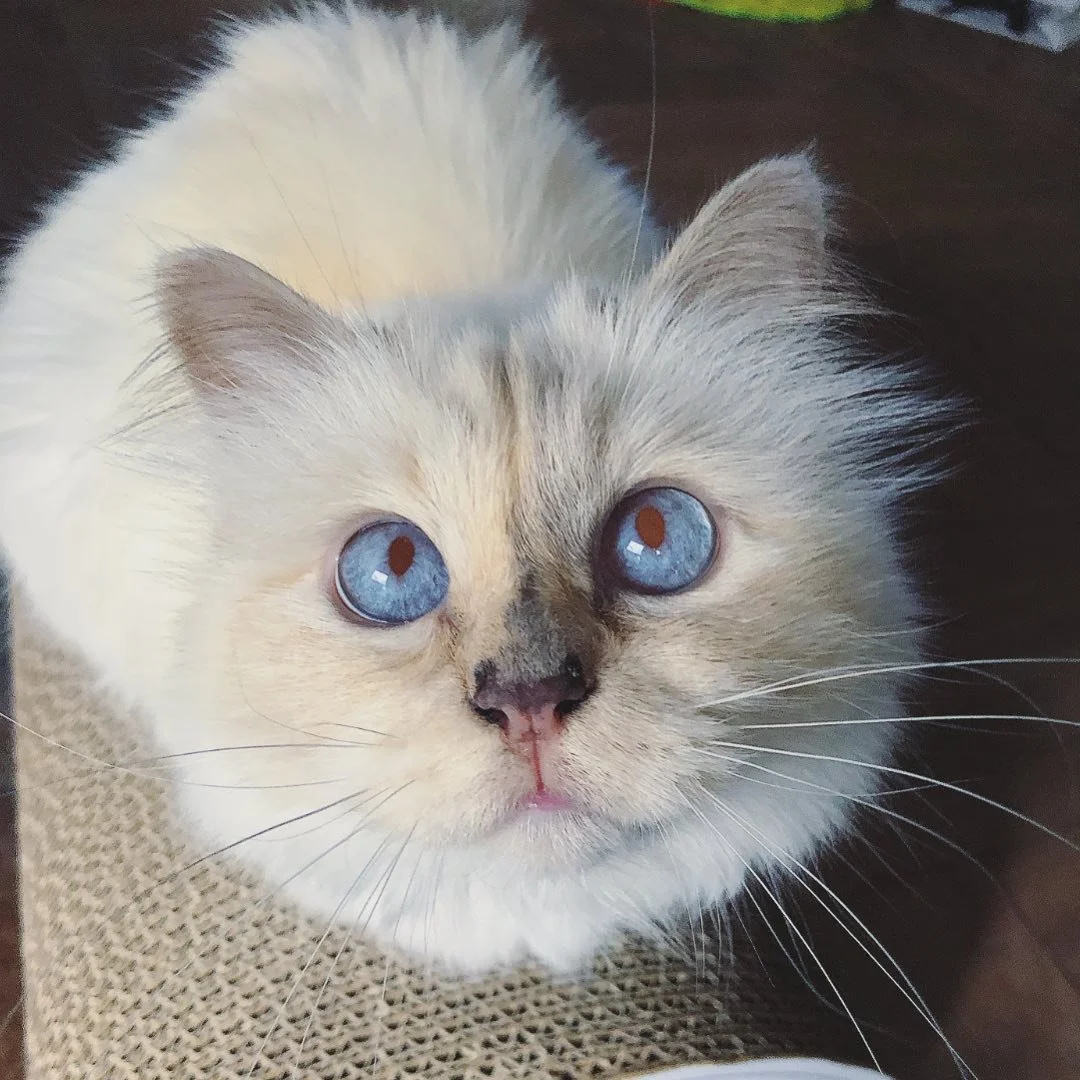
Birman
A colour-pointed cat with white gloves on all four paws. Medium-length coat, blue eyes. Quiet and gentle. They do not demand much but tend to be steady, reliable companions.
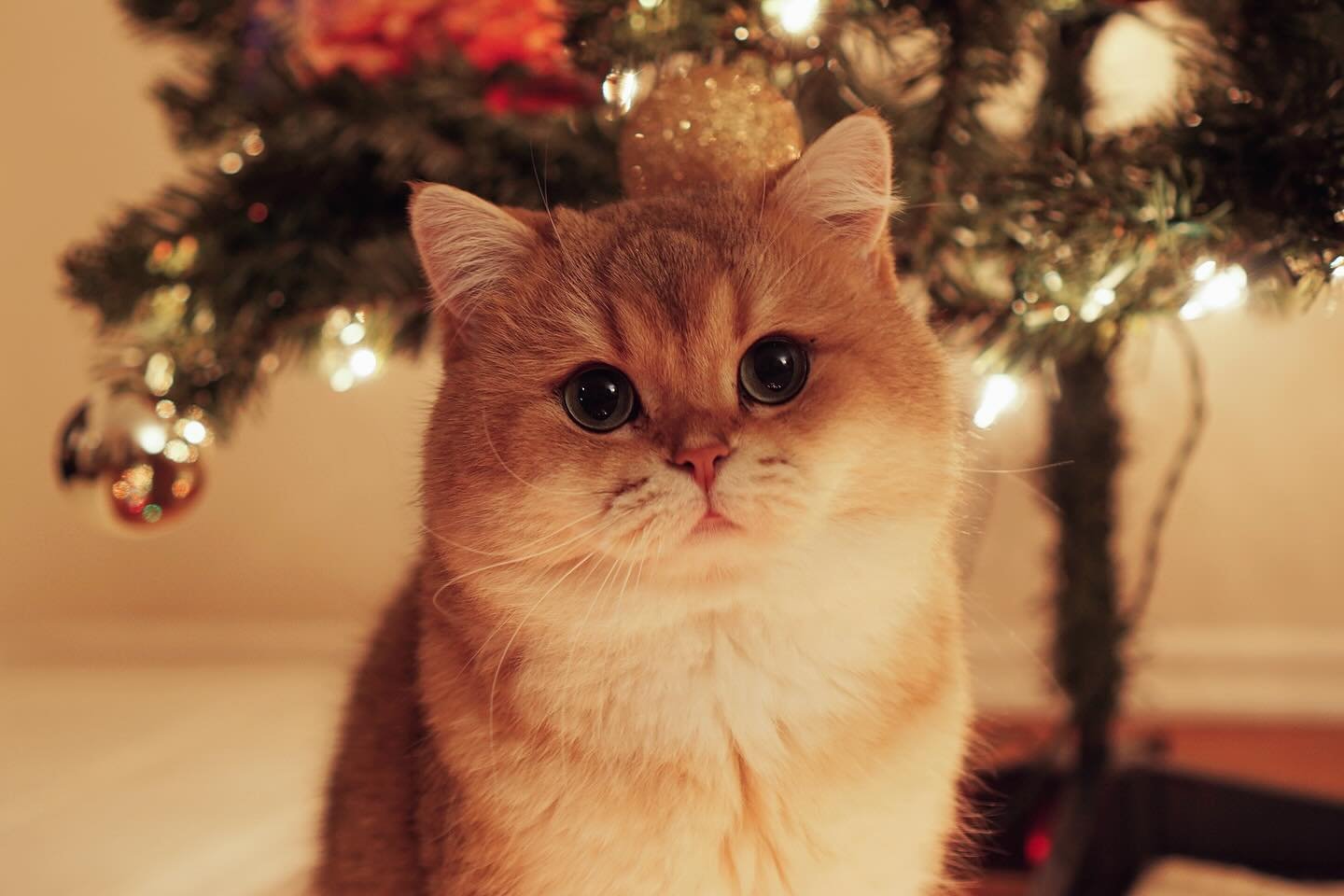
British Shorthair
A stocky, dense cat with a round face and a thick plush coat. Originally working cats brought to Britain by the Romans. Today they are calm, patient, and largely content to sit beside you rather than on you.
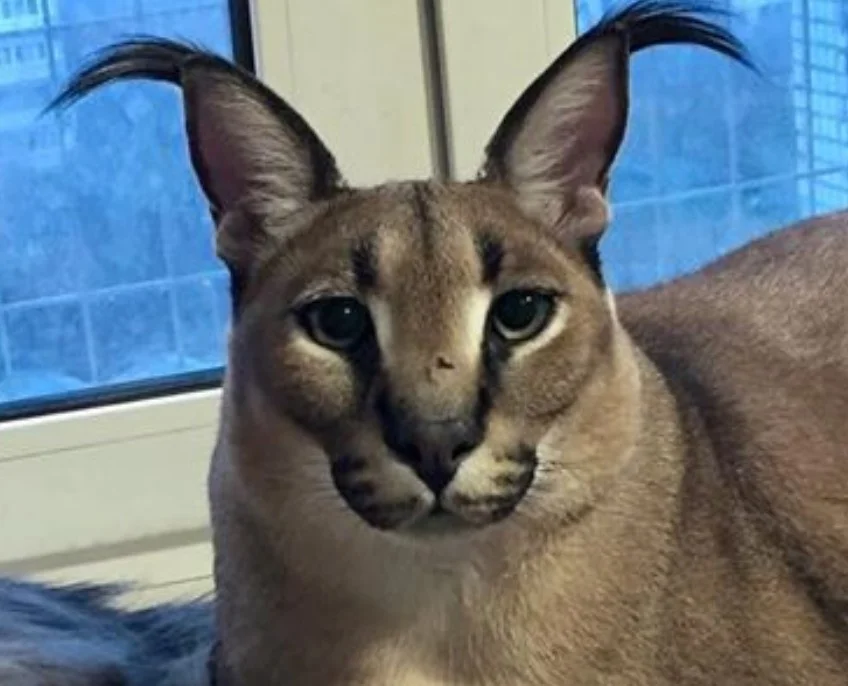
Caracal
A wild cat, not a domestic breed. Native to Africa, the Middle East, and parts of South Asia. Known for its long tufted ears. Occasionally kept as exotic pets, but they are wild animals.
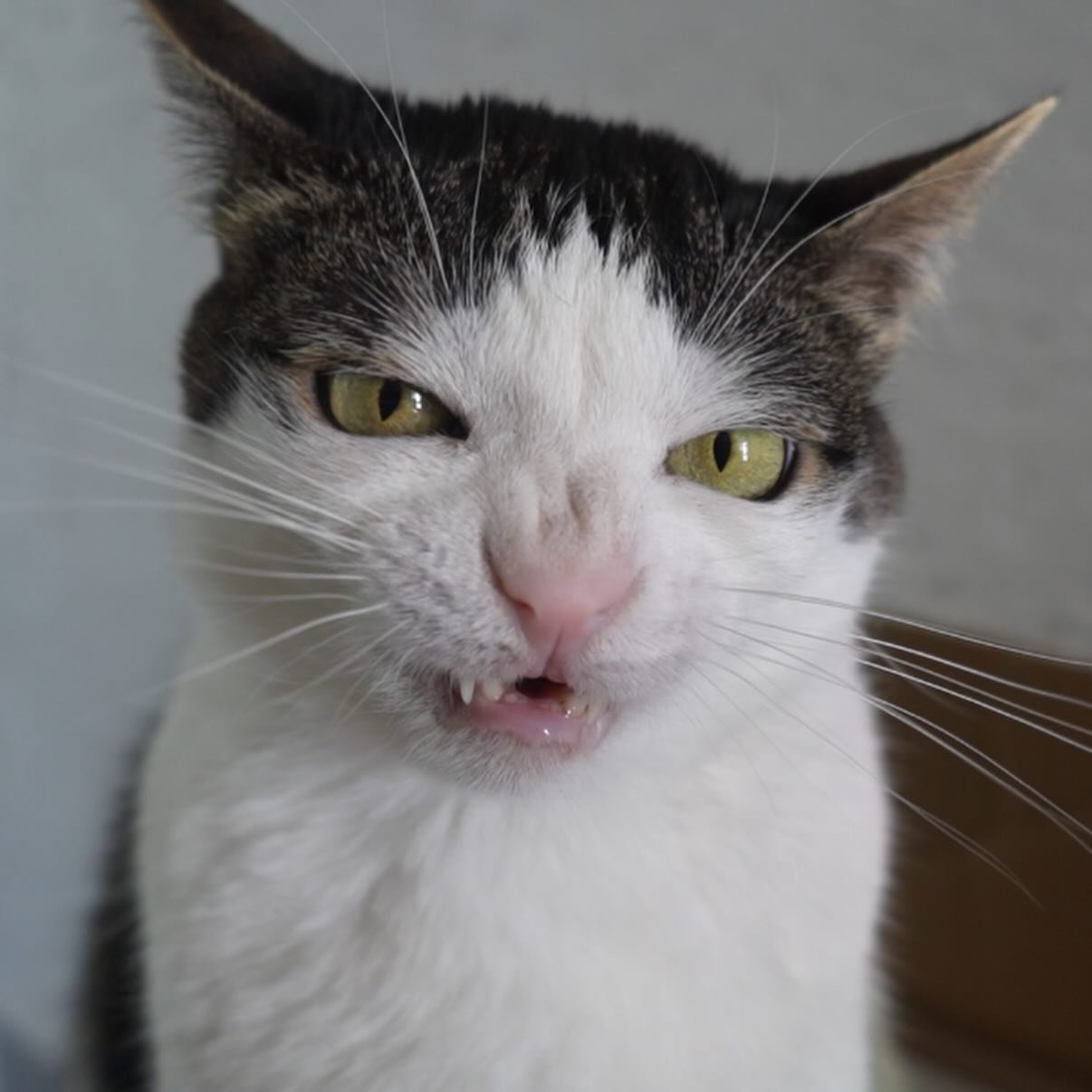
Domestic Shorthair
The most common cat in the world. No pedigree, no breed standard, just a cat shaped by natural selection over thousands of years. They come in nearly every coat colour and pattern. Their health tends to be good and their personalities vary as much as their looks.
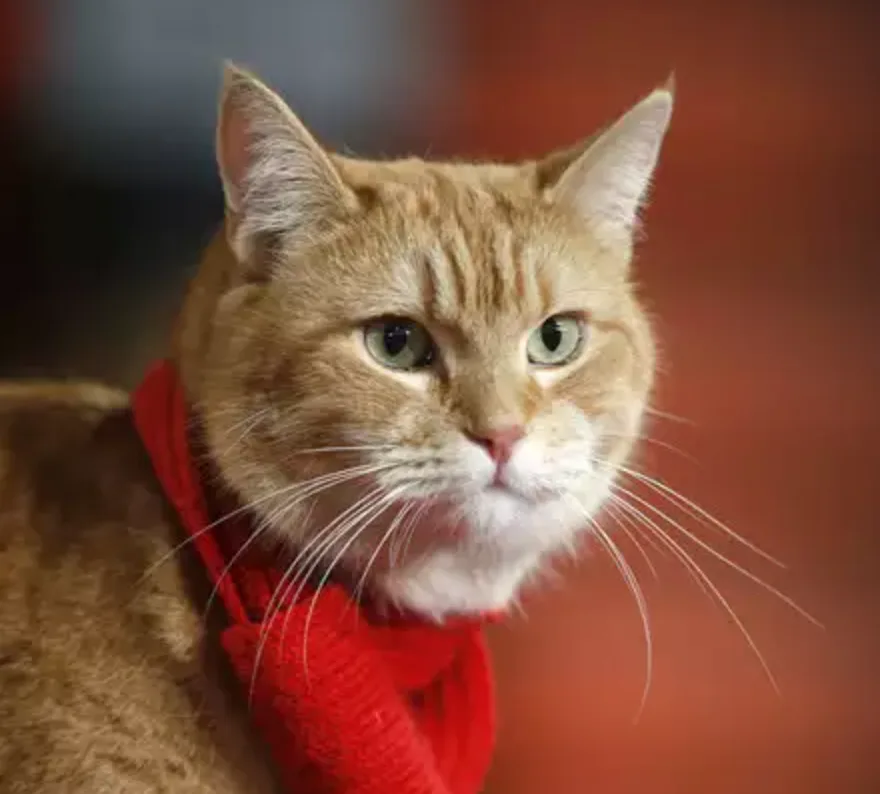
Domestic Shorthair Tabby
A non-pedigree shorthaired cat with tabby markings. The pattern includes stripes, spots, or swirls. One of the most common cats in the world.

Domestic Shorthair Tuxedo
A black-and-white domestic shorthair. The pattern is called tuxedo for obvious reasons. They share no bloodline beyond the coat colour.
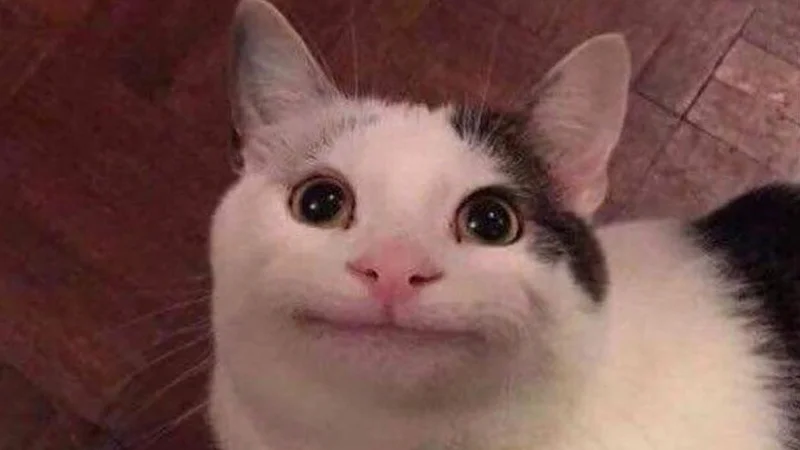
Domestic Shorthair White
A fully white domestic shorthair. White cats with blue eyes often have a hearing impairment due to how the white gene affects inner ear development.
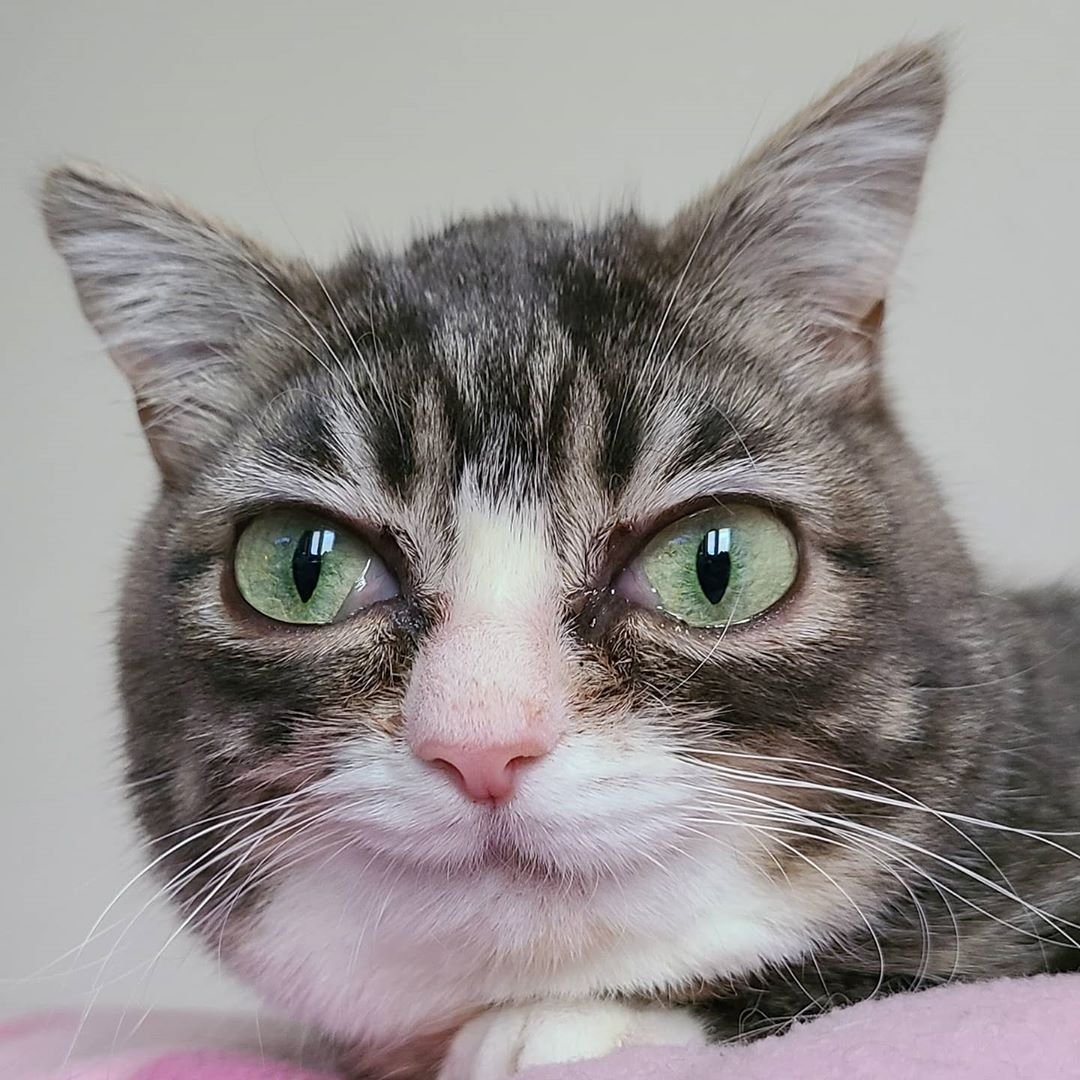
Dwarf
Cats with achondroplastic dwarfism, meaning short legs on a normal-sized body. The Munchkin is the most well-known example. Active and social despite the unusual proportions.
Egyptian Mau
The only naturally spotted domestic cat breed. Fast runners, capable of reaching around 30 mph. Loyal to their families and wary of strangers.
European Shorthair
The common cat of mainland Europe. A natural breed with minimal selective breeding. Hardy, independent, and usually a capable hunter.
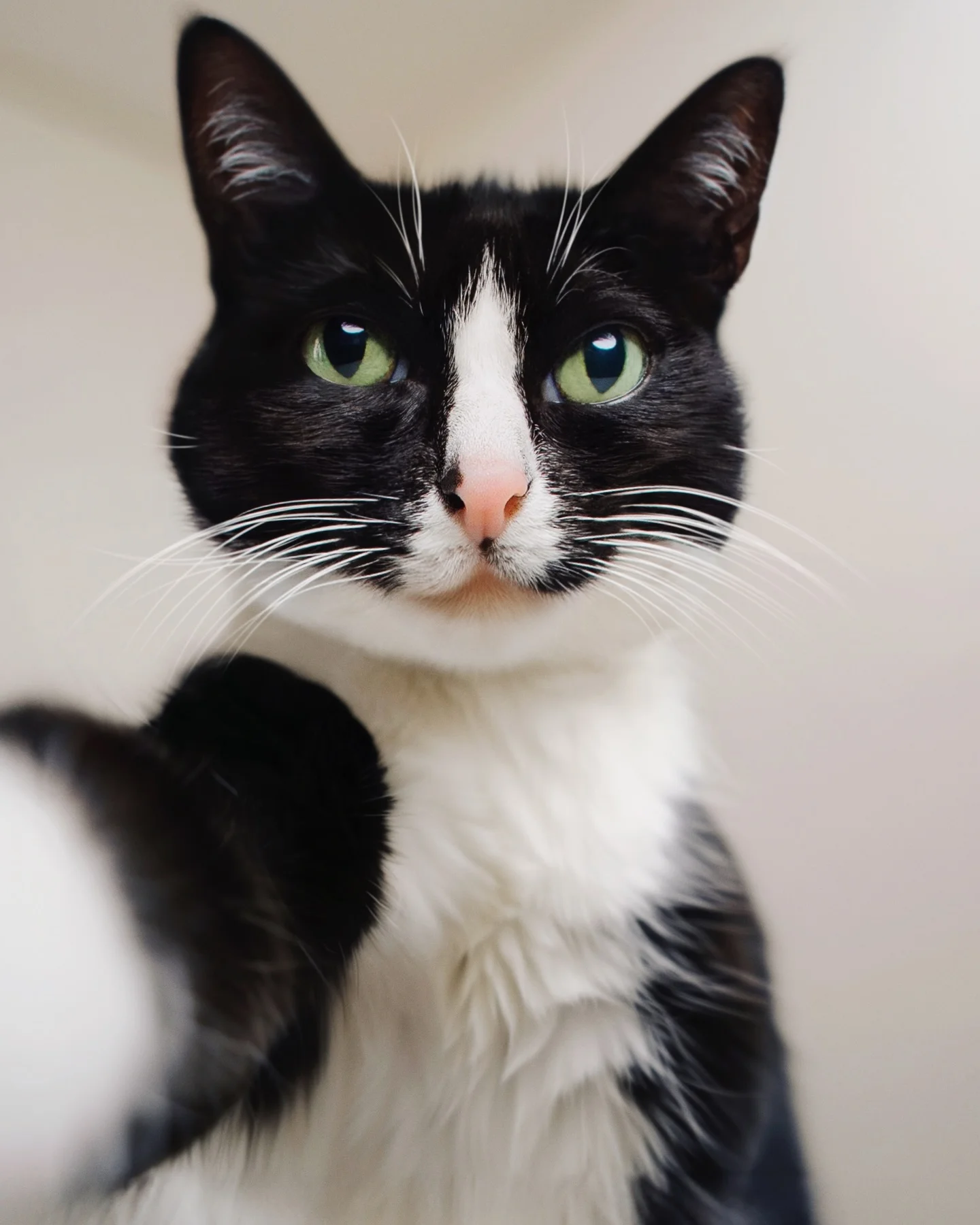
Exotic Shorthair
A Persian with a shorter coat. Same flat face, same temperament, considerably less grooming. They are affectionate and relaxed, content to be near their people without demanding constant attention.

Japanese Bobtail
Their tail is short and often curled, looking more like a pom-pom. Considered good luck in Japan and the basis for the Maneki-neko figurine. Vocal and people-oriented.
Manx
Naturally tailless, from the Isle of Man. Some have a small stub, others have nothing. They follow their owners around and can be taught to fetch.
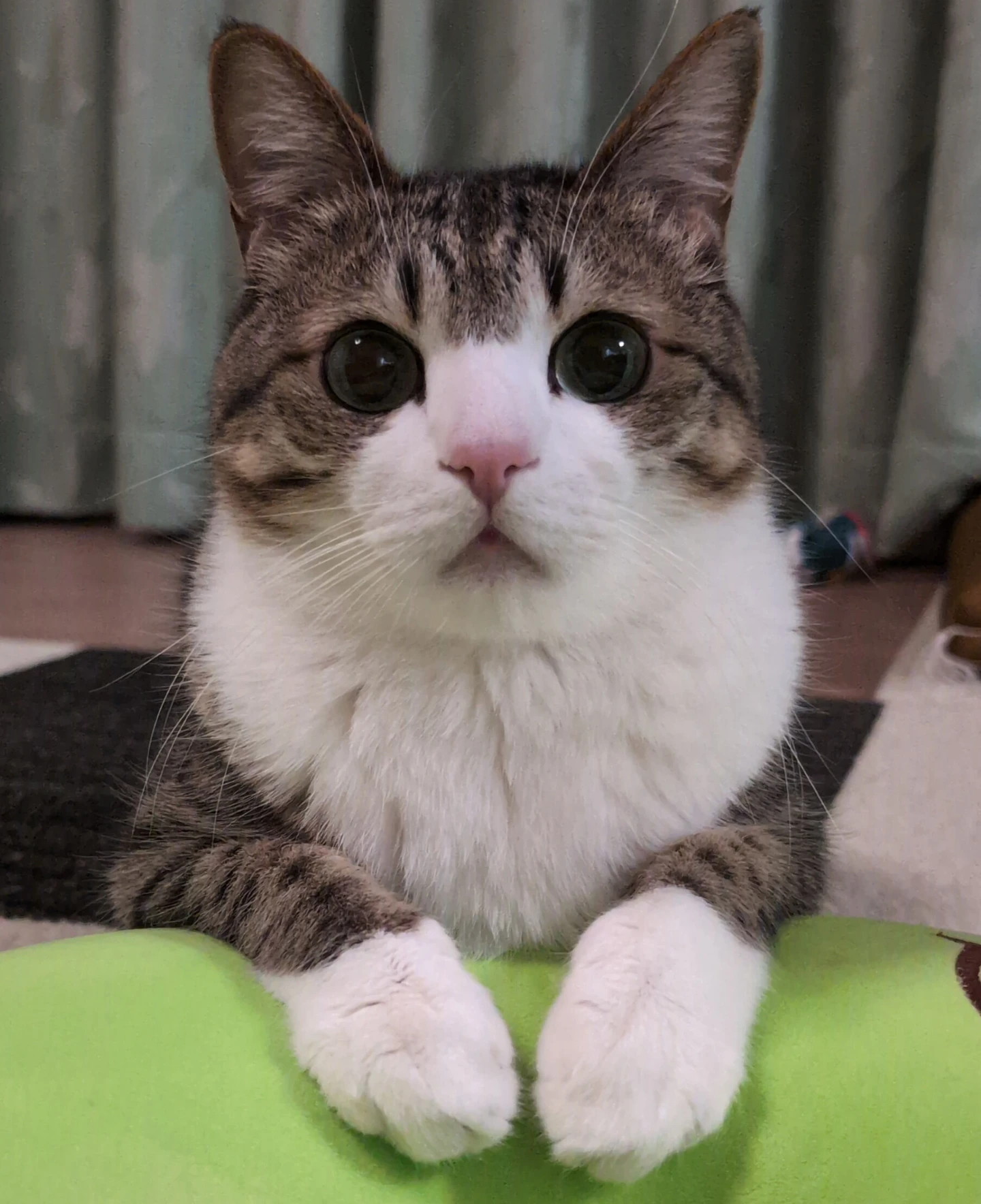
Mixed
No single breed. A cat of varied or unknown heritage. Most cats in the world are mixed. Their health tends to be good due to genetic diversity.

Munchkin
Short legs from a natural mutation. Their legs do not stop them from running or playing. They move differently from other cats but are otherwise typical in personality: active, curious, and sociable.

Orange Tabby
Not a breed, just a coat pattern. About 80% of orange tabbies are male due to how the colour gene is inherited. They have a reputation for being food-motivated and sociable, which is probably why Garfield exists.
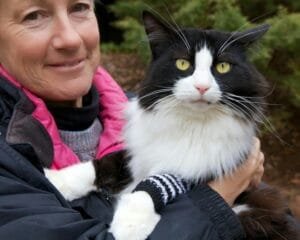
Piebald
A coat pattern with large white patches alongside another colour. Seen in many breeds. The white areas result from a gene that stops pigment cells from reaching parts of the coat.
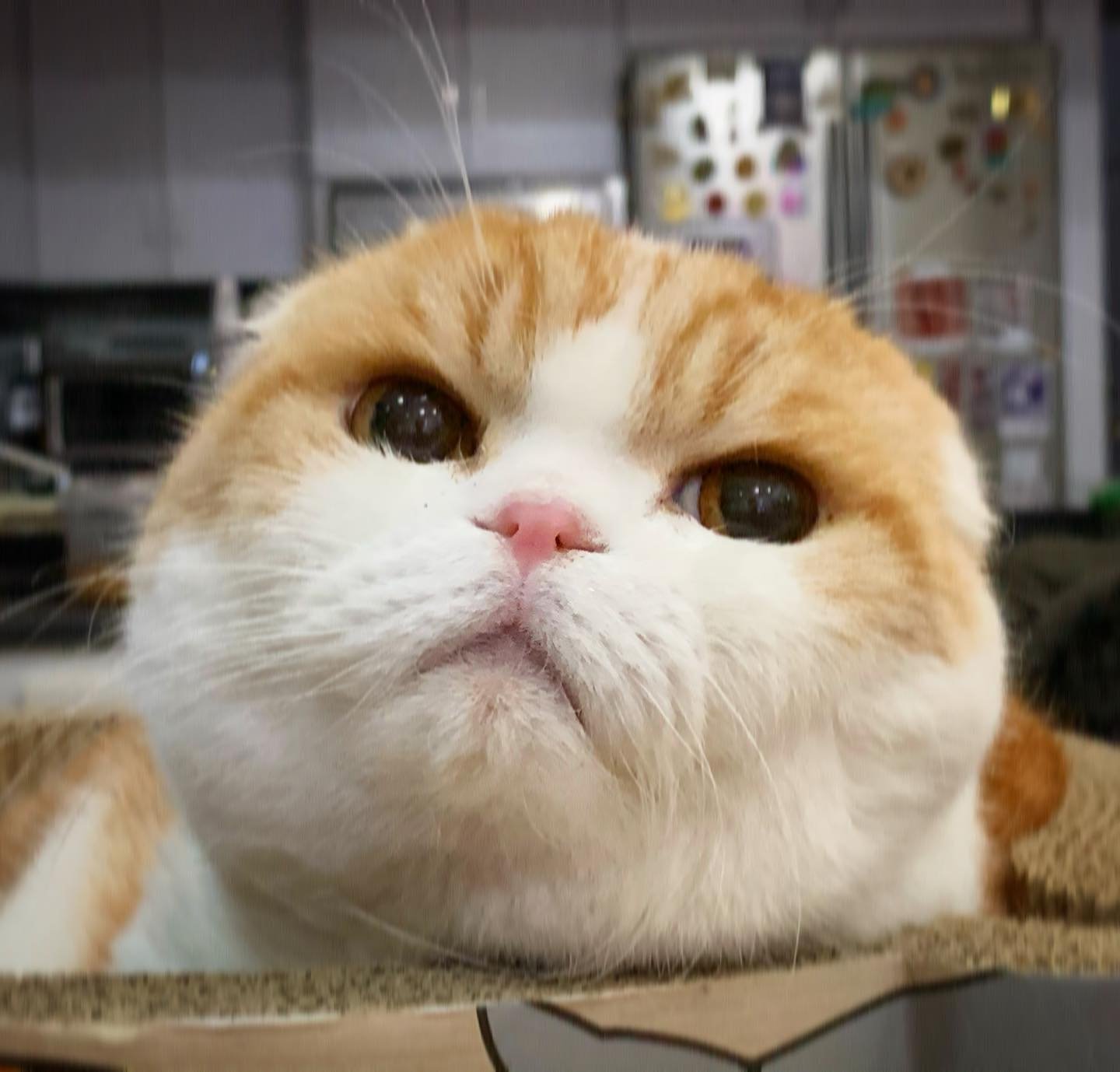
Scottish Fold
Their ears fold forward because of a cartilage mutation. It gives them a distinctive, owl-like look. Sweet-tempered and adaptable, they get on well with most living situations.
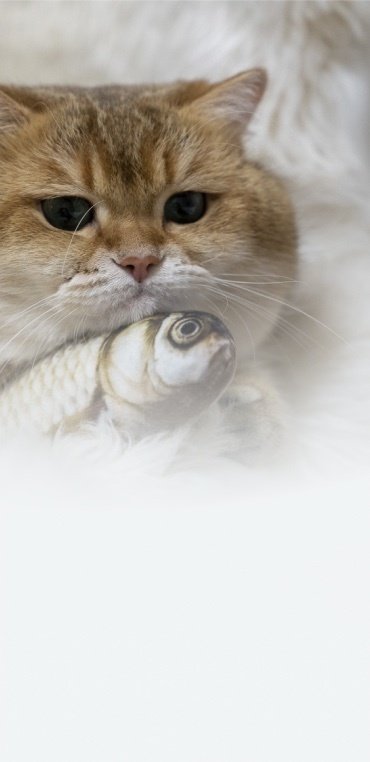
Scottish Straight
The straight-eared version of the Scottish Fold. Same round face and body type. Breeding two Folds together causes skeletal problems, so Straights are essential to maintaining the breed.

Selkirk Rex
A large, heavily boned cat with a curly coat. They look permanently disheveled. Their whiskers are curly too. Patient and tolerant of handling.
Snowshoe
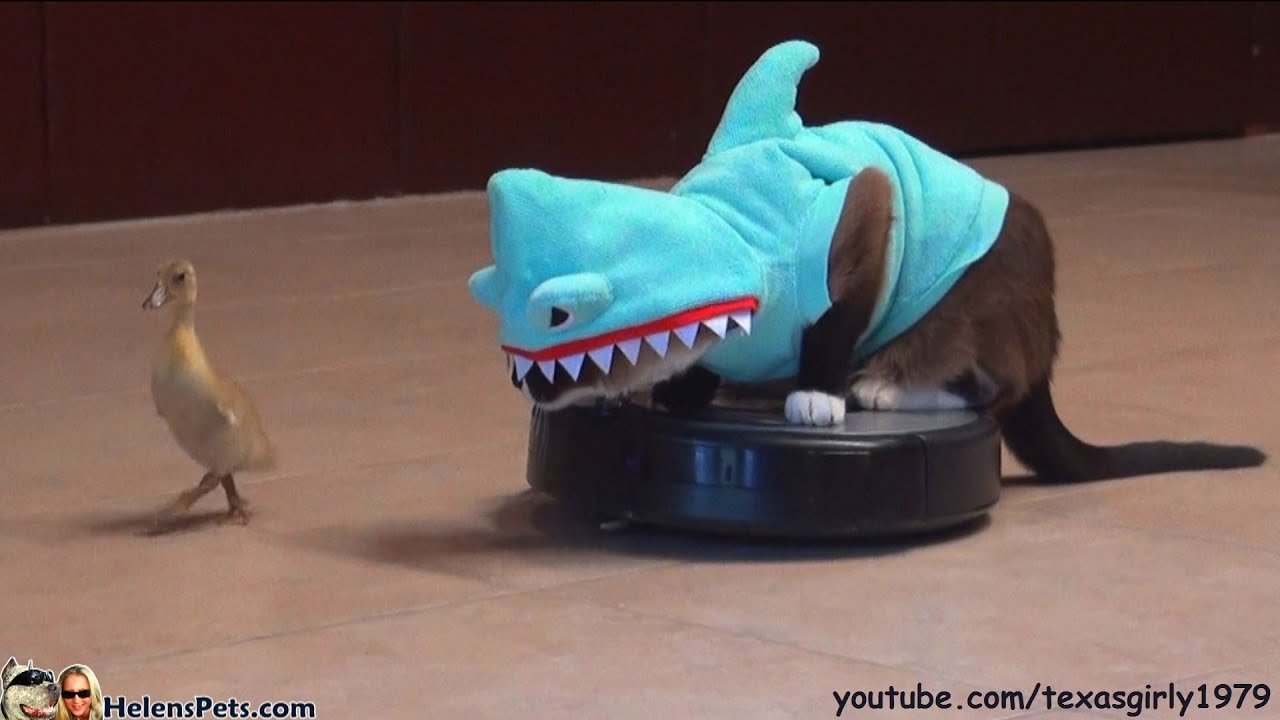
Colour-pointed with white paws. The contrast is distinctive. Sociable and vocal, they tend to pick one person and stay close to them.
Somali
A long-haired Abyssinian. Same ticked coat, same athletic build, but with a bushy tail and full ruff. Active and rarely still.

Tabby Cat
A coat pattern, not a breed. Stripes, swirls, or spots, usually with an M-shaped mark on the forehead. Appears in dozens of breeds and most non-pedigree cats worldwide.
Tortoiseshell
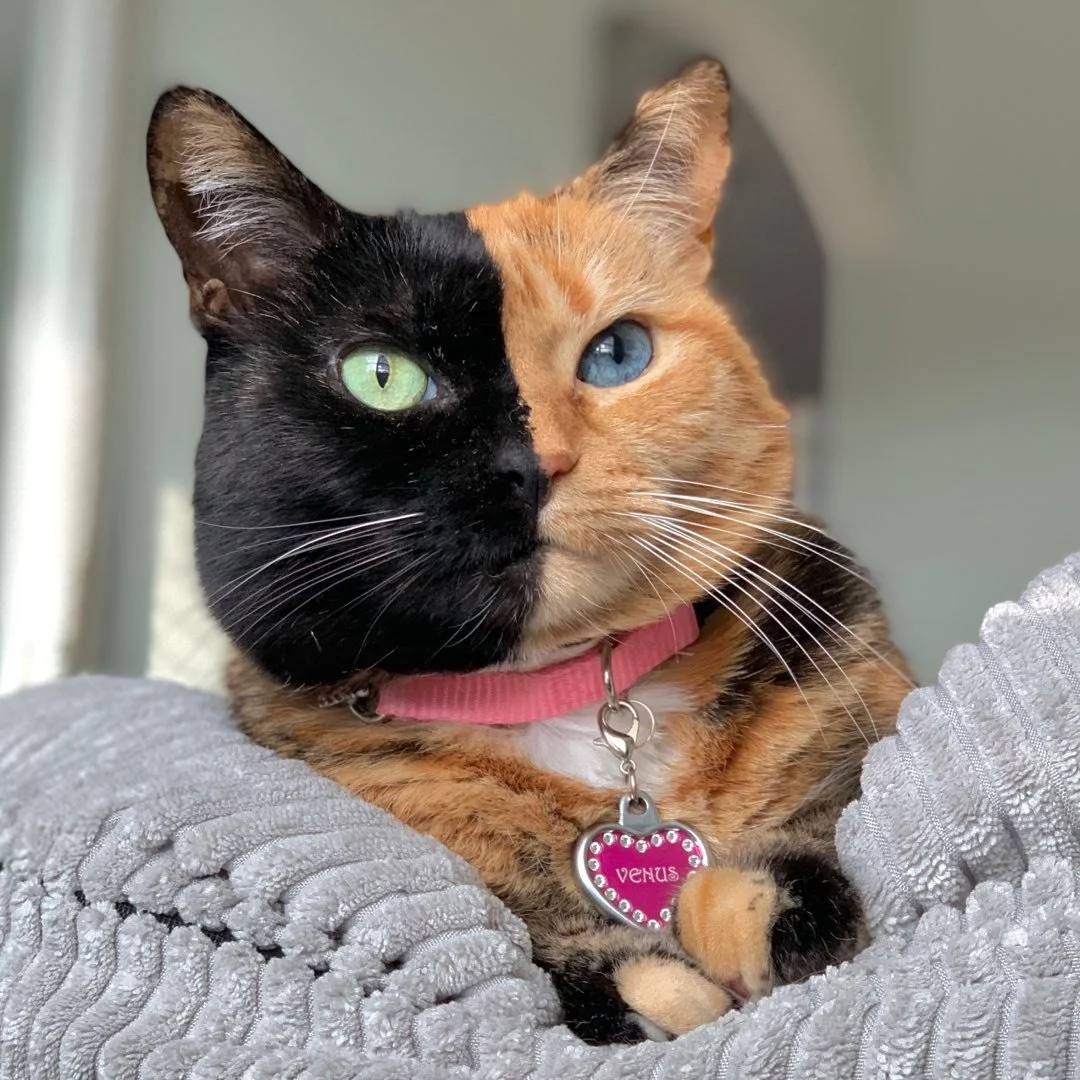
A mottled black-and-orange coat pattern, not a breed. Unlike calicos, tortoiseshells carry little or no white. Almost all of them are female: the orange coat gene sits on the X chromosome, so a cat needs two different X chromosomes to show both colours. Male tortoiseshells are rare, usually carry an extra X chromosome, and are typically sterile.

Turkish Angora
An ancient Turkish breed. Long silky coat, athletic build. They are active, sociable, and tend to insert themselves into whatever is happening in the room.
Turkish Van
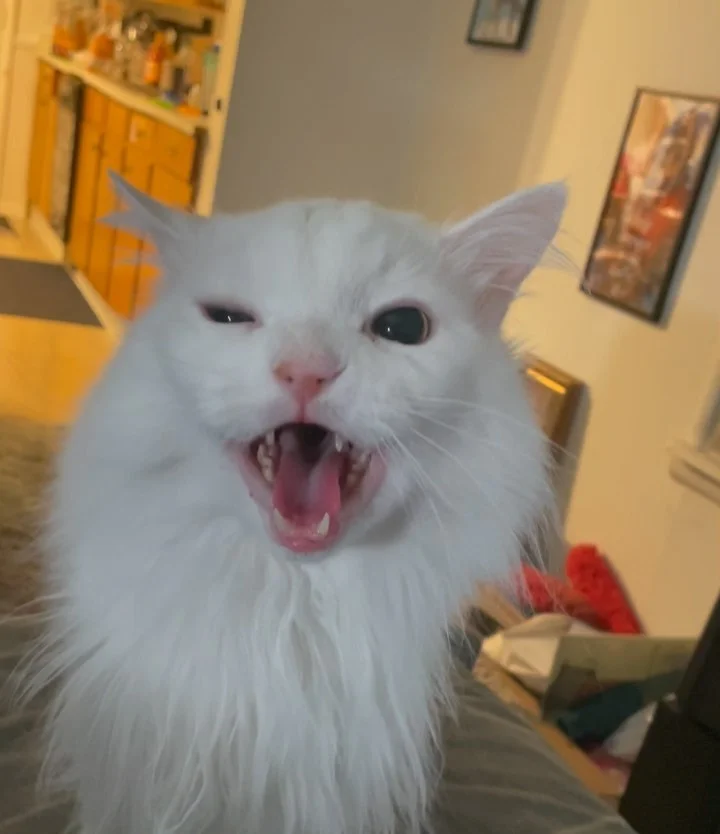
From the Lake Van region of Turkey. An unusual fondness for water sets them apart from most cats. White coat with colour only on the head and tail.